.png)


And you can't even see it.
Discover TICI And you can't even see it.
Discover TICI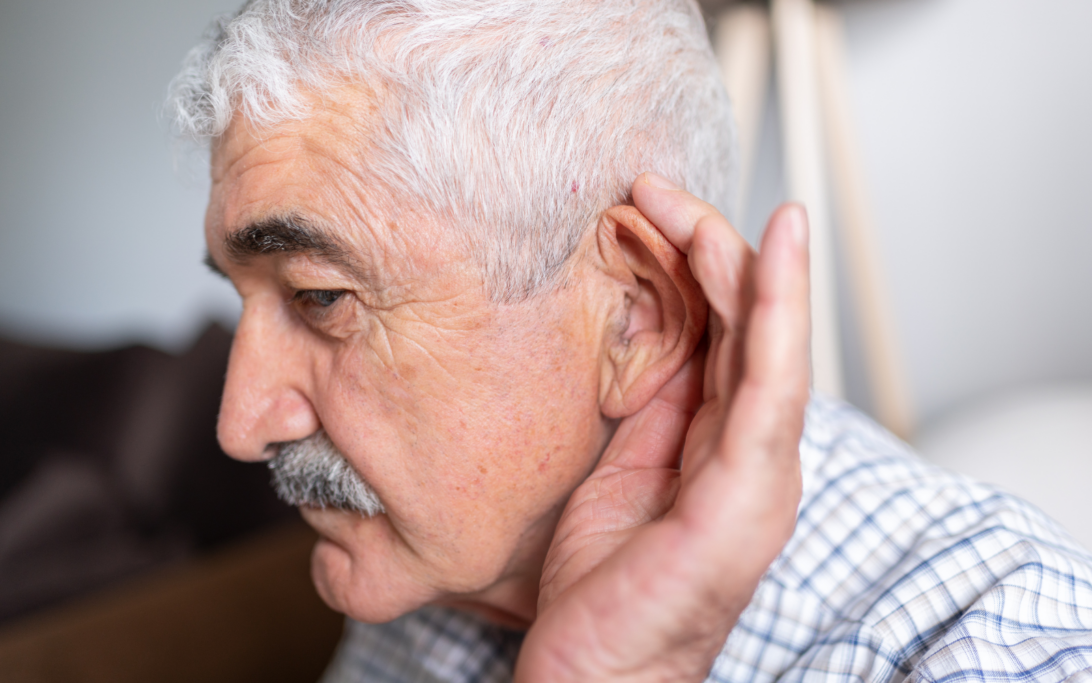
Sudden hearing loss in one or both ears can be a medical emergency. If your hearing suddenly becomes muffled or you have gone completely deaf in one ear, promptly contact an ENT specialist or go to an urgent care clinic. Do not wait several days to see whether it clears on its own.
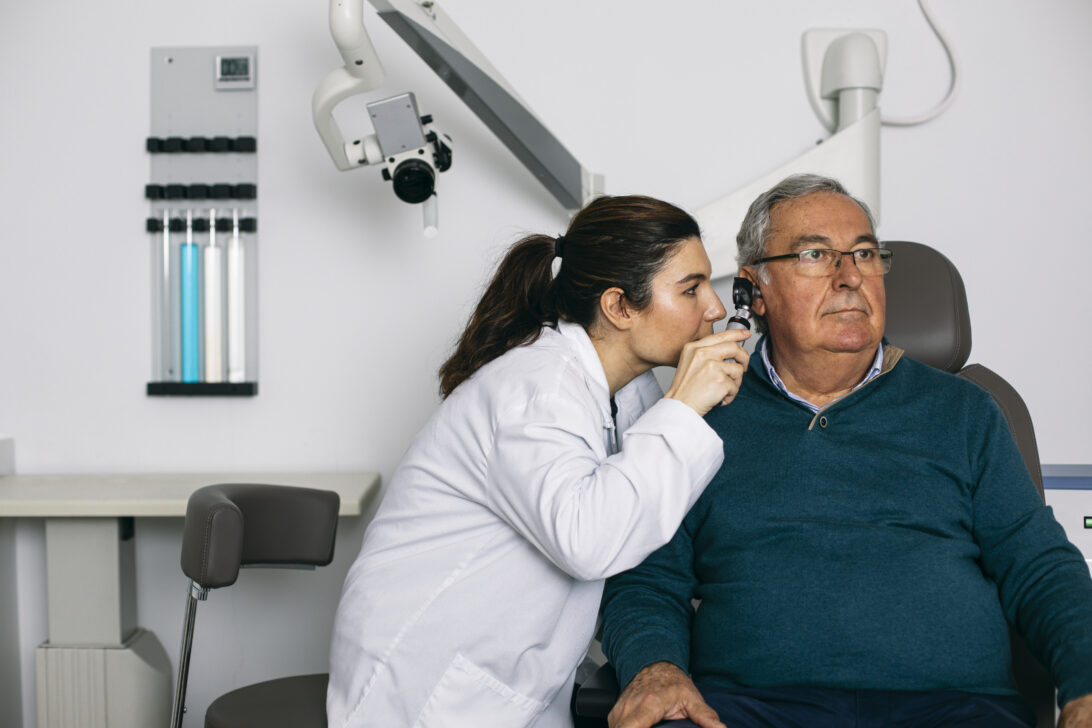
Hearing loss can affect people in every part of the world and at every stage of life. In this article, we describe how prevalent hearing loss is on a global scale and across different world regions, with spotlights on Europe and the United States, as well as hearing loss statistics by age, common risk factors, and when it may be time to get your hearing tested.

Hearing implants, sometimes referred to as surgical hearing implants because they require a surgical procedure, are medical hearing solutions designed to help people hear in different ways depending on their hearing loss. This guide explains the main types of hearing implants, how they work, who may be a candidate, and what to expect from the evaluation and treatment process.
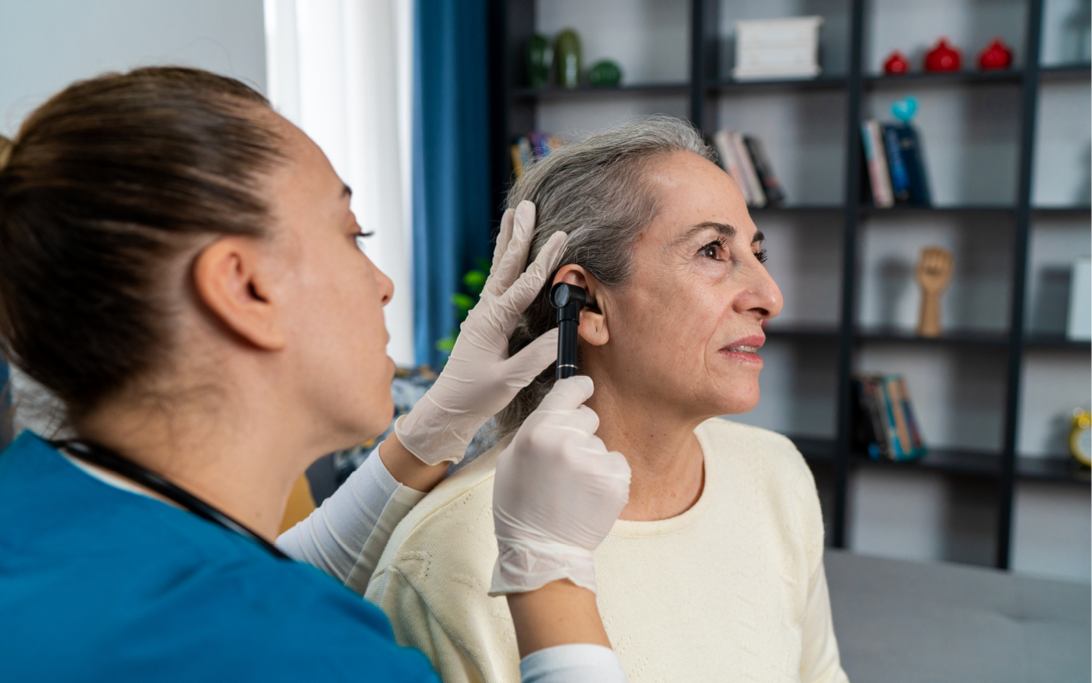
Retrocochlear hearing loss affects structures beyond the cochlea, mainly the auditory nerve and promixal brainstem, but does not include higher central auditory pathways. In simple terms, sound may reach the inner ear normally, but the signal may not travel clearly from the ear to the brain. This is different from cochlear hearing loss, which starts inside the inner ear itself. Even though both are forms of sensorineural hearing loss, retrocochlear hearing loss involves the hearing nerve or neural pathways rather than the cochlea.
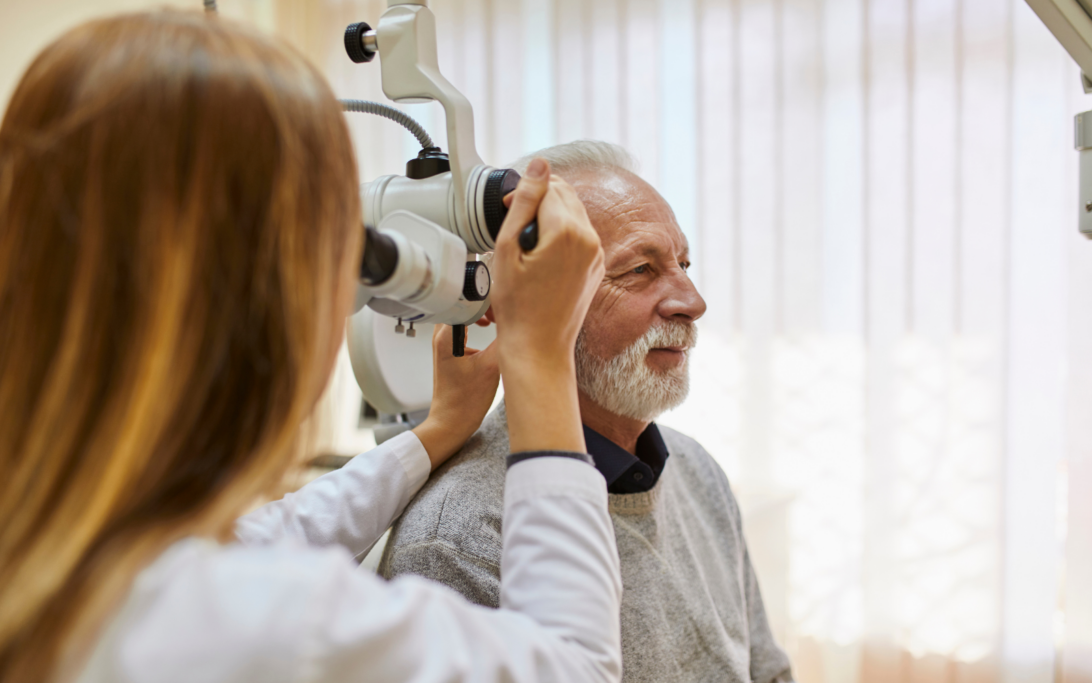
Diplacusis is a hearing disorder where one sound is perceived as two sounds, different pitches, or an echo-like repetition. It is often called double hearing. It may occur within one ear (monaural diplacusis) or cause a pitch mismatch between ears (binaural diplacusis), and it can be a temporary or permanent ear problem linked to hearing loss or sudden hearing changes.

For many people with hearing implants, water can present a difficult choice: Join in the fun without hearing or stay connected to sound but stay away from water. For Dr. Nashlea Brogan, that dilemma was part of everyday life for years. Today, she no longer has to choose between hearing and participating. We spoke with Dr. Brogan about her hearing journey, her active lifestyle, and how WaterWear helped her reconnect with the moments that matter the most.

At MED-EL, we’re passionate about helping people with hearing loss. It has been this way since 1977 when Ingeborg and Erwin Hochmair pioneered the modern cochlear implant. Since then, we’ve grown into the leading hearing implant company, active in over 130 countries around the world and with solutions for every type of hearing loss.