


.png)


And you can't even see it.
Discover TICI And you can't even see it.
Discover TICI
Infant hearing loss means that a baby cannot hear sounds as expected, either in one or both ears, from birth or early infancy. In everyday life, common signs include a baby not responding to voices, missing sounds, or not developing speech and language skills at the expected pace.
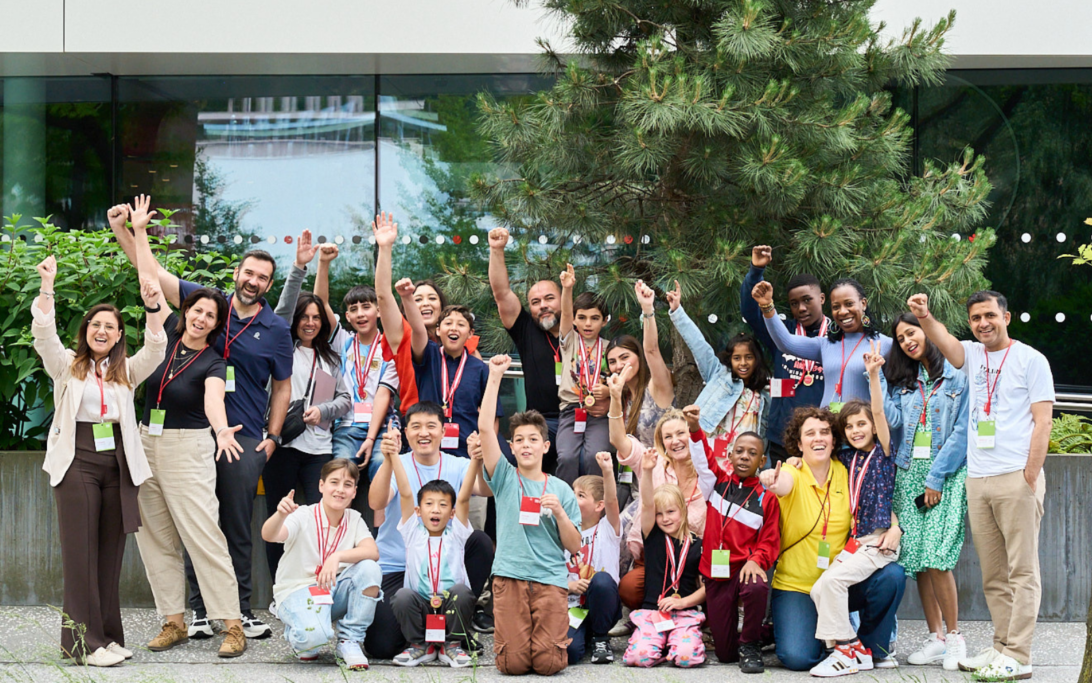
Every child deserves the chance to connect with the world around them: to hear laughter in the classroom, music wherever they are, and the voices of the people they love. For children with hearing loss, technology like cochlear implants can help make those moments possible. But hearing technology is about more than hearing itself. It’s about confidence, independence, inclusion, and the freedom to dream big.

For anyone using a hearing implant, one thing is always the first priority: great hearing performance. But your audio processor is also something you wear every day, so making it feel like you is important too.

Riccardo was born with hearing loss caused by congenital CMV—a diagnosis that brought fear and uncertainty. But his story quickly became one of hope. With the love and determination of his parents, and the support of cochlear implant technology, Riccardo learned to hear, speak, and connect with the world around him. Discover how his family turned a CMV diagnosis into a story of sound, strength, and new beginnings.

Multilingualism is a great asset for children with cochlear implants, especially if they grow up in families in which multiple languages are spoken. Today, more and more families are embracing multilingualism, most commonly bilingualism. This article highlights the benefits of bilingualism and offers tips to help your child with a CI learn two (or more) languages.

Educators of students with hearing loss should aim to offer all the support needed so these students can experience success and achieve their full potential at school. Educators play a vital part in ensuring access to classroom instruction and activities as well as integration and participation in the broader life at school for students with hearing devices.