Tag archive
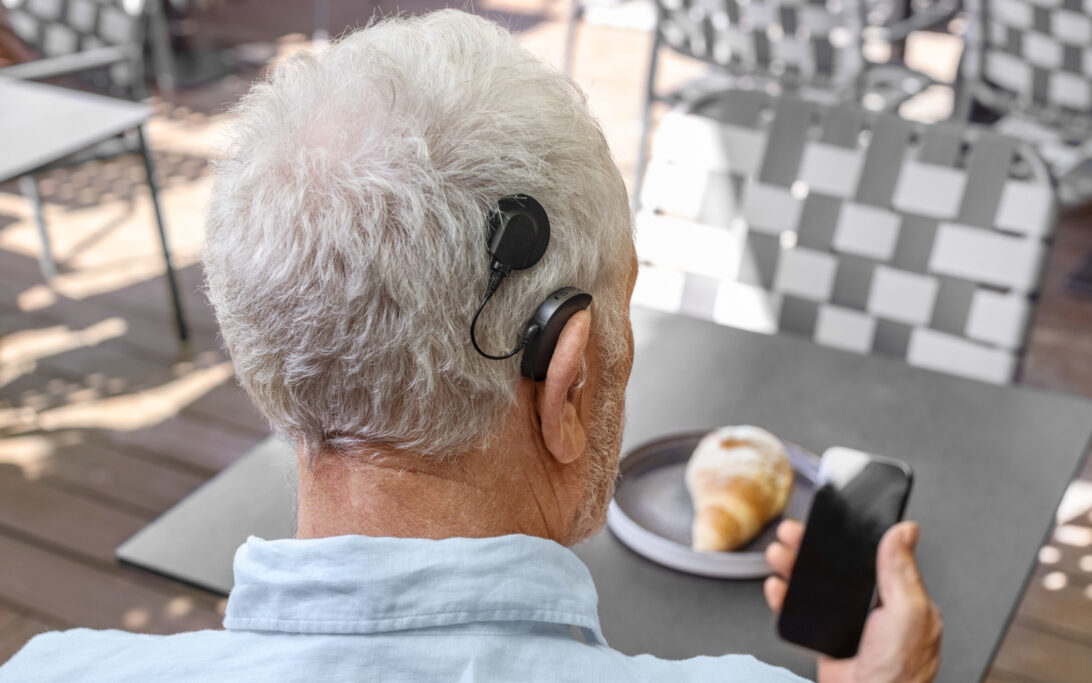
Hearing implants, sometimes referred to as surgical hearing implants because they require a surgical procedure, are medical hearing solutions designed to help people hear in different ways depending on their hearing loss. This guide explains the main types of hearing implants, how they work, who may be a candidate, and what to expect from the evaluation and treatment process.
Retrocochlear hearing loss affects structures beyond the cochlea, mainly the auditory nerve and promixal brainstem, but does not include higher central auditory pathways. In simple terms, sound may reach the inner ear normally, but the signal may not travel clearly from the ear to the brain. This is different from cochlear hearing loss, which starts inside the inner ear itself. Even though both are forms of sensorineural hearing loss, retrocochlear hearing loss involves the hearing nerve or neural pathways rather than the cochlea.
The four stages of Ménière's disease describe how this chronic inner ear condition can affect hearing and balance over time. Ménière’s disease often causes recurring vertigo attacks, fluctuating hearing loss, tinnitus, and a feeling of fullness in the affected ear.
Noticing the signs of hearing loss in children early can make a world of difference. Kids learn language, social skills, and confidence by listening to the people around them. When hearing is reduced, those developmental building blocks can get wobbly. The tricky part is that hearing loss in children isn’t always obvious.
Degrees of hearing loss describe how severe hearing loss is, from mild to profound, based on the quietest sounds you can hear during a hearing test. These levels are measured in dB HL (decibels hearing level) and help explain what your results mean in everyday life. Understanding these degrees can make hearing test results easier to interpret and less overwhelming.
Sensorineural hearing loss (SNHL) is a type of hearing loss caused by damage to the cochlea or the auditory nerve. Historically, it was also called “nerve hearing loss” or even “nerve deafness,” and it affects how sound signals travel from your ear to your brain.