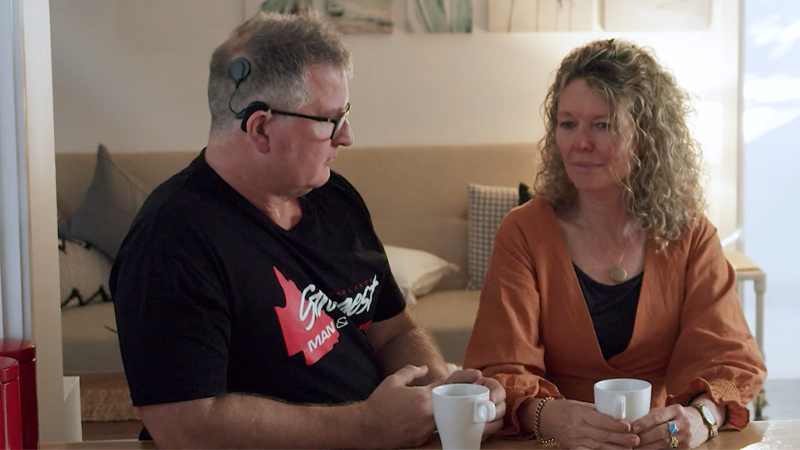
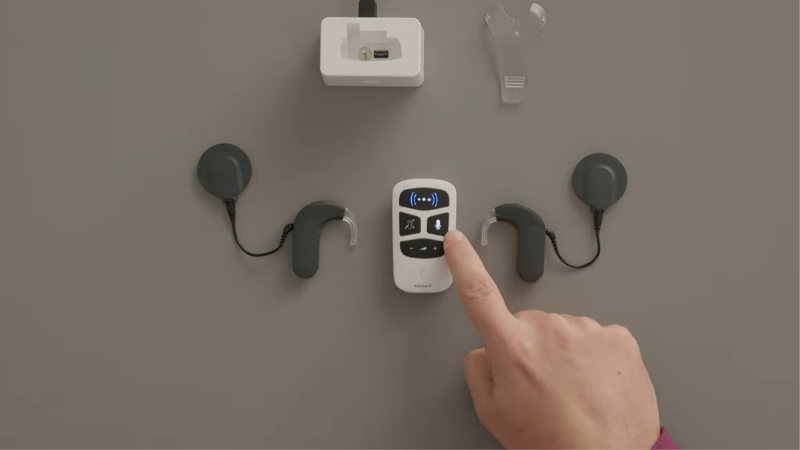
And you can't even see it.
Discover TICI English

MED-EL
Published Oct 27, 2026
Getting a cochlear implant is an important step on your hearing journey. Yet learning to make the most of your new hearing takes time. And rehabilitation doesn’t only happen during appointments or dedicated listening exercises—every conversation, phone call, commute, and favorite song can give your brain another opportunity to practice listening with your CI.

Here are some simple ways to make cochlear implant rehabilitation part of your everyday life.
One of the most important things you can do for your hearing is also one of the simplest: Wear your audio processor consistently throughout the day.
Regular wear gives your brain more opportunities to experience sounds and learn what they mean. Aim to wear your processor whenever you are awake. Everyday sounds count, too! Making coffee, talking with a colleague, hearing traffic outside, or listening to the television all give your brain valuable listening experience.
If certain sounds are uncomfortable or make it difficult to wear your processor consistently, talk to your hearing professional instead of simply avoiding them.
Rehab doesn’t necessarily have to mean sitting down for a long training session. Short periods of focused listening can be easier to fit around work, family, and other commitments.
Try activities such as:
Start with something comfortable and gradually make the task more challenging—for example, by turning off captions or listening without following the written text.
Want something a little more structured? MED-EL offers tools that can help you practice independently.
The ReDi app offers exercises for practicing auditory and speech skills, with various difficulty levels and immediate feedback. This makes it easy to fit a short listening session into your day and progress at your own pace.
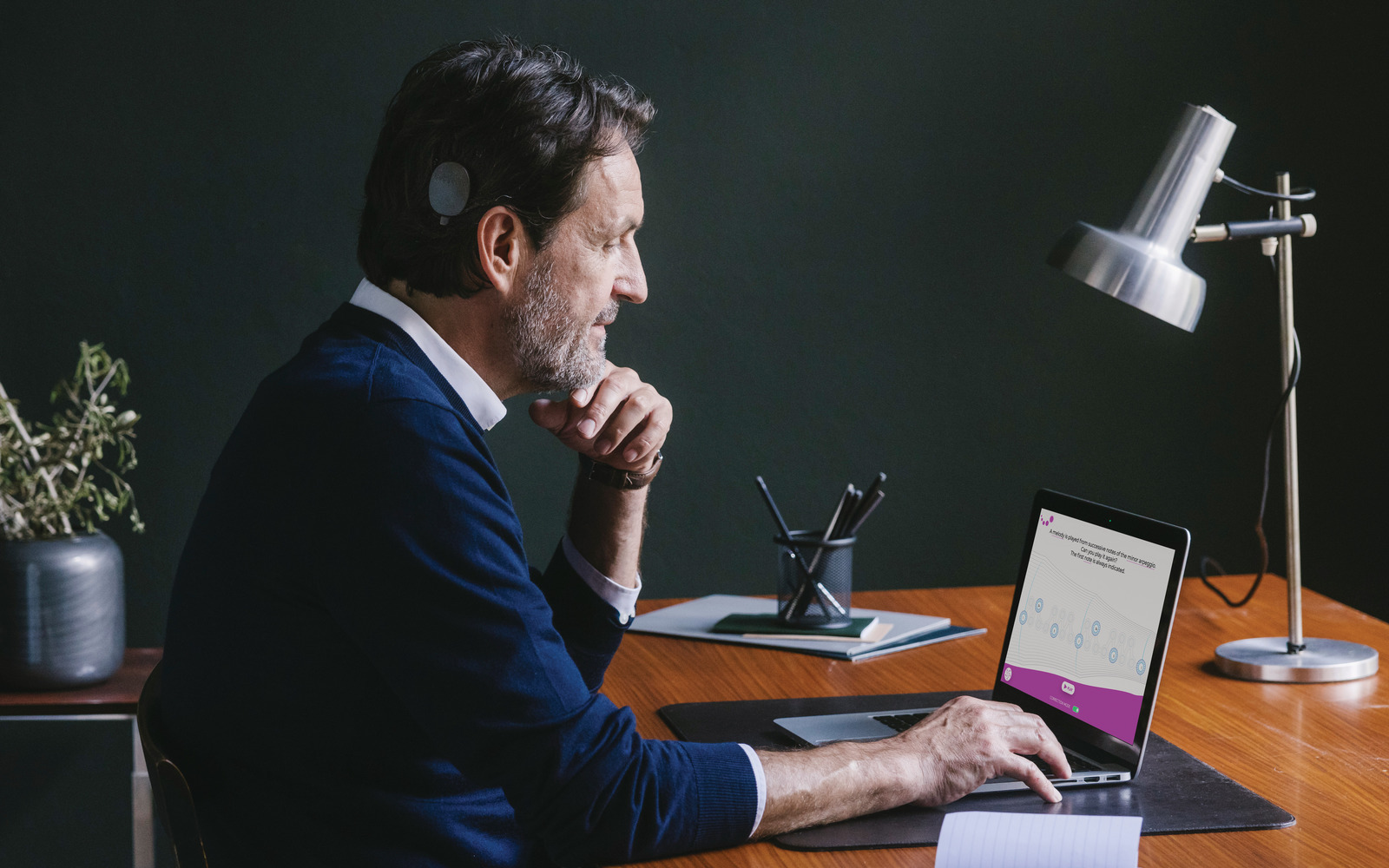
Music can be another enjoyable way to practice: Meludia uses music-based exercises to help hearing implant users develop their listening skills. One of the great things about Meludia is that it’s accessible to everyone. It doesn’t matter how old you are, or what kind of musical background you have as there are levels ranging from “discovery” to “expert.”
Music can sound different with a cochlear implant, especially at first. One approach is to start with songs you already know well.
One member of the Hearpeers community shares:
“I listened over and over again until the song sounded like I remembered.”
Try choosing one familiar song and giving it your full attention. At first, you might follow the lyrics while you listen, then try listening to the song without them. Don’t worry if everything doesn’t sound exactly as you remember it straight away. Give yourself time to explore what you hear.
A conversation in a busy restaurant, a TV program, or a phone conversation can be more demanding than talking with someone in a quiet room.
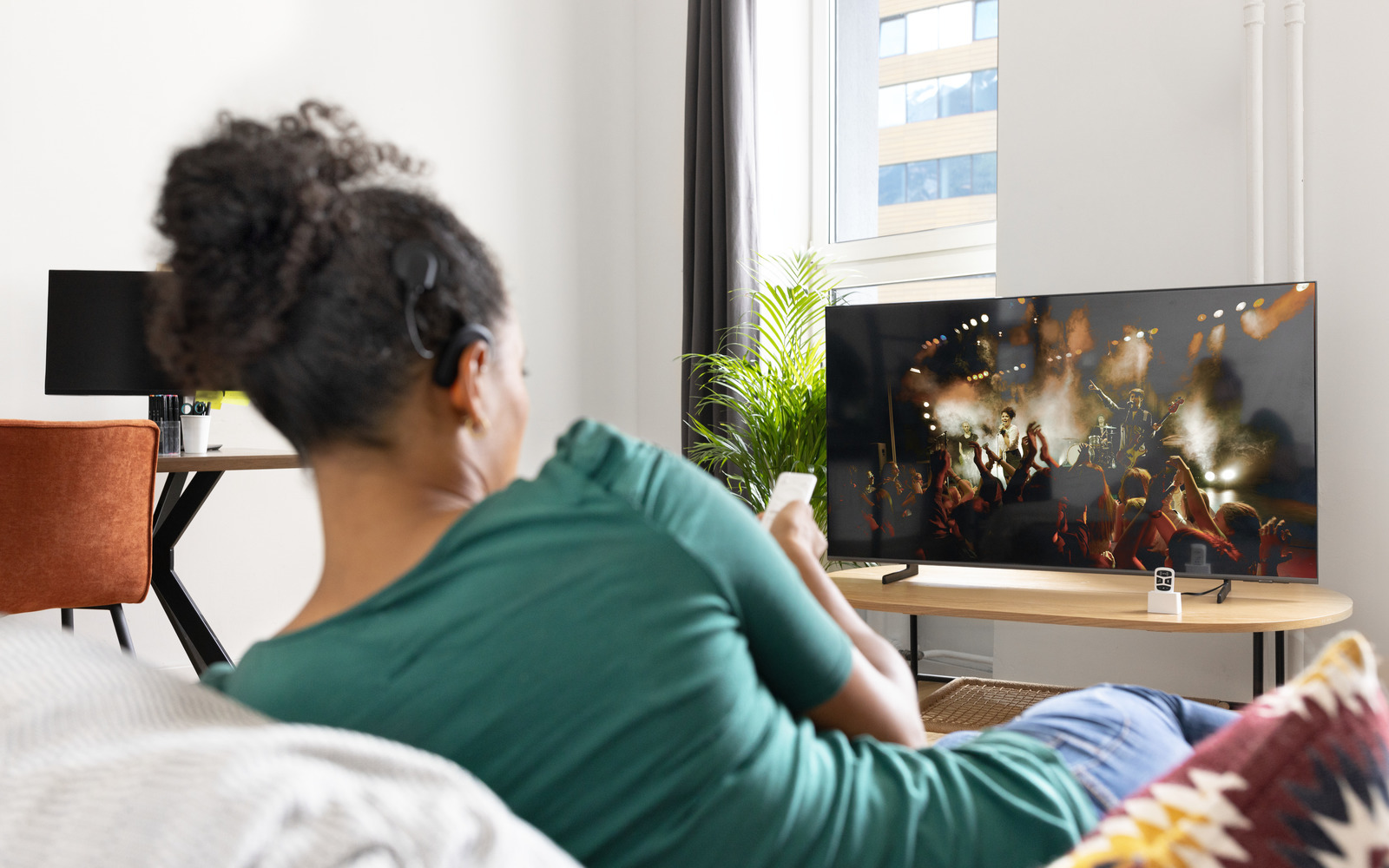
Assistive listening technology can help in these situations. Depending on your audio processor and setup, solutions such as AudioLink XT or the AudioStream Adapter can send sound directly from phones, TVs, and other devices to your audio processor. AudioLink XT can also work as a remote microphone, for example, when placed near someone who’s speaking during a meeting.
Ask your hearing professional which connectivity options are compatible with your audio processor and best suited to your needs.
Successful communication isn’t only about how well you can hear. Your surroundings and the way people communicate with you can make a big difference.
Different situations call for different strategies. You could:
Being specific can make things easier for everyone. Instead of simply saying “I can’t hear you,” try something like, “Could you repeat the last sentence?” or “Could we move somewhere quieter?” Benefit from learning to use communication strategies in everyday situations with your cochlear implant.
There is no single daily rehabilitation routine that suits everyone. Your hearing goals, work, family life, interests, and listening abilities are individual.
The good news is that listening practice can happen almost anywhere. Wear your processor consistently, make use of technology and communication strategies, and look for small opportunities to practice with sounds that matter to you.
Whether it’s a few minutes with ReDi, an audiobook on your commute, a conversation over coffee, or listening to a favorite song again, everyday life can become part of your hearing journey.
Your hearing professional or rehabilitation specialist can help you choose listening activities and strategies that are appropriate for your individual hearing needs. For further information, get in touch with your local MED-EL team.
Contact UsReferences
MED-EL
Was this article helpful?
Thanks for your feedback.
Sign up for newsletter below for more.
Thanks for your feedback.
Please leave your message below.
Thanks for your message. We will reply as soon as possible.
Send us a message
Field is required
John Doe
Field is required
name@mail.com
Field is required
What do you think?
© MED-EL Medical Electronics. All rights reserved. The content on this website is for general informational purposes only and should not be taken as medical advice. Contact your doctor or hearing specialist to learn what type of hearing solution suits your specific needs. Not all products, features, or indications are approved in all countries.
MED-EL
MED-EL
Want to make sure you get all the latest articles from the MED-EL Blog? Subscribe now!
Registration was successful
We’re the world’s leading hearing implant company, on a mission to help people with hearing loss experience the joy of sound.
Find your local MED-EL team
© MED-EL Medical Electronics. All rights reserved. The content on this website is for general informational purposes only and should not be taken as medical advice. Contact your doctor or hearing specialist to learn what type of hearing solution suits your specific needs. Not all products, features, or indications are approved in all countries.