And you can't even see it.
Discover TICI English

MED-EL
Published Oct 12, 2026
When people first hear the words cochlear implant, they often imagine a long list of activities they won’t be able to do. Can I swim? Can I travel? What about sports, cooking, or going to an amusement park?

The good news: Life with a cochlear implant is often much more flexible than people expect. People with cochlear implants travel, swim, play sports, enjoy music, use smartphones, and take part in all kinds of everyday activities. However, there are some situations where you need to take precautions.
Let’s take a look at some of the things you might be surprised to learn you can do with a CI—and a few things you should be careful about.
Can you enjoy music with a cochlear implant? Absolutely!
Music may sound different with a cochlear implant, and everyone’s experience is different. But many cochlear implant users enjoy listening to music, going to concerts, singing, or playing an instrument.
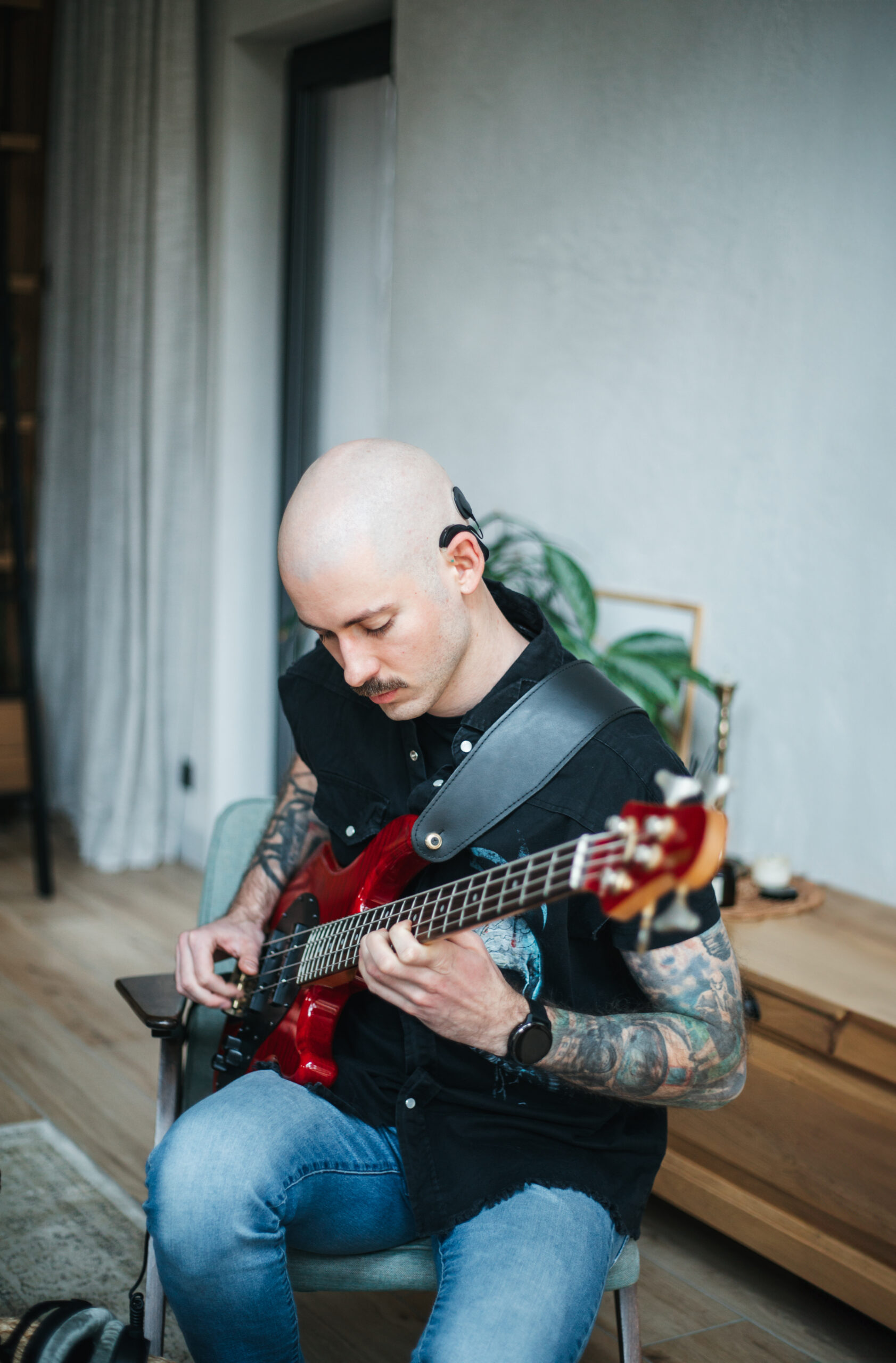

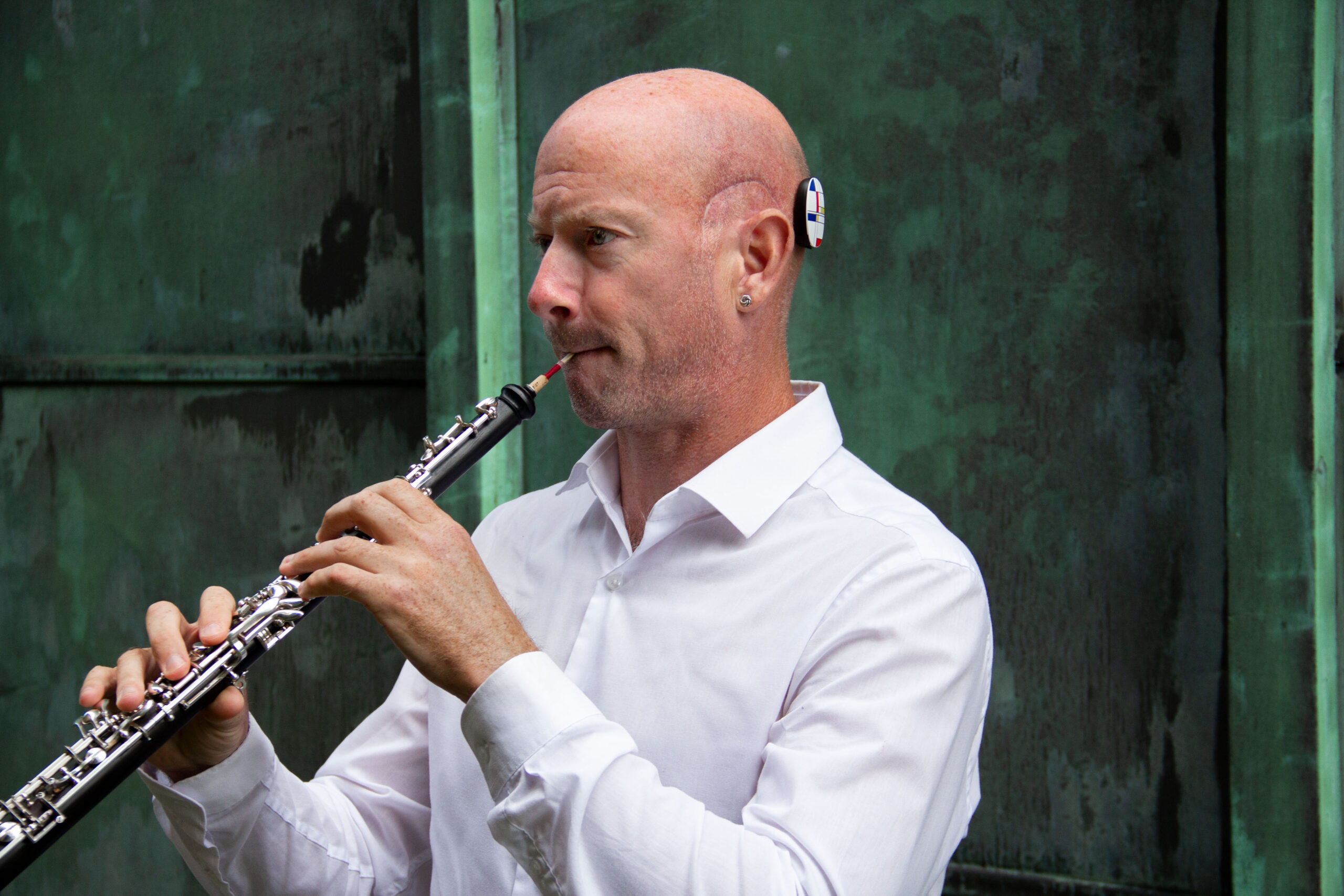


Like other listening skills, music appreciation can develop with time and practice. If you’re rediscovering music with your CI, it can help to start with music you already know well or pieces with just one or two instruments. Your brain is learning to interpret a new way of hearing, and practice is an important part of that process.
There are ways to make listening to music even easier. With direct streaming and a compatible smartphone or tablet, you can send music straight to your audio processor. SONNET 3 has direct streaming built in, while RONDO 3 can stream with the AudioStream Adapter. This lets you enjoy music directly through your audio processor in high-quality stereo sound.
The more you listen with your CI, the more opportunities you give your brain to learn to recognize and appreciate music.
Whether you’re hopping on a short domestic flight or flying across continents, cochlear implants are travel-friendly.

Airport security systems are generally safe for cochlear implant users. Inform security staff that you have a medical device, and carry your implant identification card to make the screening process go more smoothly.
A little preparation can make traveling easier, as well. Keep your essential CI equipment in your carry-on luggage and consider packing:
To make the most of your travel experience, check out our essential tips for hassle-free travel with cochlear implants.
This one surprises a lot of people: You can swim with a cochlear implant.
The internal implant is safely under the skin, and the external audio processor just needs to be placed into WaterWear to make it fully waterproof.
That means you can enjoy:
If you’re wearing your processor in the water, make sure it’s securely attached. Depending on the water activity, a comfortable headband, swim cap, an attachment clip, or another fixation option can help keep your audio processor safely in place.
Running, hiking, cycling, dancing, yoga, skiing—the list goes on. A cochlear implant doesn’t have to stop you from being active.




Many CI users participate in recreational sports, and some even compete at elite levels. Depending on what you’re doing, protecting the implant area and keeping the external audio processor secure are usually the most important considerations.
For running, dancing, football, and other active sports, a fixation accessory can help prevent your processor from falling off.
If you wear a helmet for cycling, skiing, horse riding, or any other sport, make sure it fits properly and does not put pressure on the implant or audio processor.
Contact sports and activities with significant risk of a blow to the head may require more precautions. Talk to your hearing care professional about your particular sport, suitable protection, and whether you should remove your audio processor.
Yes—you can usually enjoy amusement parks.
Most rides, including roller coasters, are perfectly fine. Just make sure your processor is securely attached so it doesn’t fall off. For high-speed or high-impact attractions, follow the guidance for your specific cochlear implant system and the safety instructions provided by the ride operator. If you’re unsure about a particular ride, contact your local MED-EL team before you go.
It is possible to have an MRI with a cochlear implant—but this is a situation where the exact implant model matters.
All MED-EL cochlear implants since 1994 are MR conditional, which means MRI scans can be safely performed when the conditions for your specific implant are followed. For recipients with a SYNCHRONY series implant, MRI scans at both 1.5 Tesla and 3.0 Tesla can typically be performed without magnet removal, so there’s no need for additional surgery or time without hearing.
As with any medical procedure, always let your healthcare provider and radiology team know you have a cochlear implant before your scan. They’ll review the MRI conditions for your implant model to ensure everything goes smoothly.
Having a cochlear implant doesn’t mean you need to avoid the dentist. Routine dental care is generally possible, but some dental equipment and procedures may require special precautions.

Always tell your dentist that you have a cochlear implant before treatment. Depending on the procedure and equipment—such as tools that use strong energy or vibrations—they may need to follow specific safety instructions.
For further information, check out our medical procedures guide to find out which are possible and which should be avoided.
Having a cochlear implant doesn’t mean tattoos are off the table. You can get a tattoo as long as it’s not close to the implant site.
Thinking about removing a tattoo? Laser tattoo removal requires some extra caution and should not be performed close to the implanted area, as the laser can generate heat and transfer energy.
Whether you’re getting new ink or saying goodbye to an old tattoo, always let your tattoo artist or technician know that you have a cochlear implant beforehand. And if you’re unsure, ask your local MED-EL team.
Check out our guide on cosmetic procedures to learn which other treatments can be done with a CI.
One common question is whether cochlear implant users can use induction cooktops. Yes, you can cook with an induction stove, but there are a few precautions to keep in mind.
When an induction cooking zone is switched on, keep your audio processor at least 5–10 cm (2–4 inches) away from the cooktop. During normal cooking, pots and pans will usually help you maintain this distance.
If you need to bring your head or audio processor closer to the cooktop—for example, when cleaning or reaching over it—switch off the cooking zone first.
As always, follow the general precautions in the user manual for your CI’s external components, as recommendations can vary depending on your audio processor and equipment.
While most daily activities are completely safe, there are a few situations where extra caution is important.
Here’s one that many new CI families don’t expect: Plastic playground equipment can generate static electricity.
Static discharge may cause your audio processor to momentarily stop working or reset. This usually isn’t dangerous, but it can be uncomfortable and temporarily interrupt hearing.
Simple ways to reduce the risk include:
Check out your user guide for further recommendations.
Planning a sauna visit? Your internal cochlear implant can remain in place, but your external audio processor needs a little more consideration.
High temperatures and humidity can damage external components, so your audio processor should be removed before entering saunas with temperatures higher than 50 degrees Celsius/122 degrees Fahrenheit.
Everyday magnets and electronics are part of normal life, but particularly strong magnetic or electromagnetic fields are a different matter.
Industrial equipment, high-voltage equipment, certain medical procedures, and other specialized environments may require precautions.
If you encounter these kinds of devices at work or as part of a hobby, check the instructions for your specific cochlear implant system and get in touch with your local MED-EL team for more advice.
Perhaps the biggest surprise about having a cochlear implant is just how normal everyday life can be.
People with cochlear implants travel, work, exercise, cook, play with their children, enjoy concerts, explore new countries, and pursue hobbies they love.
Knowing the handful of situations where extra care is needed can help you feel confident, not restricted.
If you’re ever unsure about whether or not an activity is safe, your hearing care professional or the MED-EL team can provide guidance based on your specific implant and audio processor.
With the right information, your cochlear implant can help you focus less on limitations and more on enjoying life.
Need information about another procedure or activity, or want specific advice? Your local MED-EL team will be happy to help!
Contact UsReferences
MED-EL
Was this article helpful?
Thanks for your feedback.
Sign up for newsletter below for more.
Thanks for your feedback.
Please leave your message below.
Thanks for your message. We will reply as soon as possible.
Send us a message
Field is required
John Doe
Field is required
name@mail.com
Field is required
What do you think?
© MED-EL Medical Electronics. All rights reserved. The content on this website is for general informational purposes only and should not be taken as medical advice. Contact your doctor or hearing specialist to learn what type of hearing solution suits your specific needs. Not all products, features, or indications are approved in all countries.
MED-EL
MED-EL
Want to make sure you get all the latest articles from the MED-EL Blog? Subscribe now!
Registration was successful
We’re the world’s leading hearing implant company, on a mission to help people with hearing loss experience the joy of sound.
Find your local MED-EL team
© MED-EL Medical Electronics. All rights reserved. The content on this website is for general informational purposes only and should not be taken as medical advice. Contact your doctor or hearing specialist to learn what type of hearing solution suits your specific needs. Not all products, features, or indications are approved in all countries.