

MED-EL
Published May 26, 2026
Hearing That Fits You: MED-EL Users Share Their Experience With Anatomy-Based Fitting
What if hearing with a cochlear implant could feel more natural—not just louder or clearer, but truly aligned with you? For MED-EL cochlear implant users Mariia, Nandini, and Tracie, that’s exactly what anatomy-based fitting (ABF) did. Read on to find out how anatomy-based fitting can improve your hearing experience with a cochlear implant.
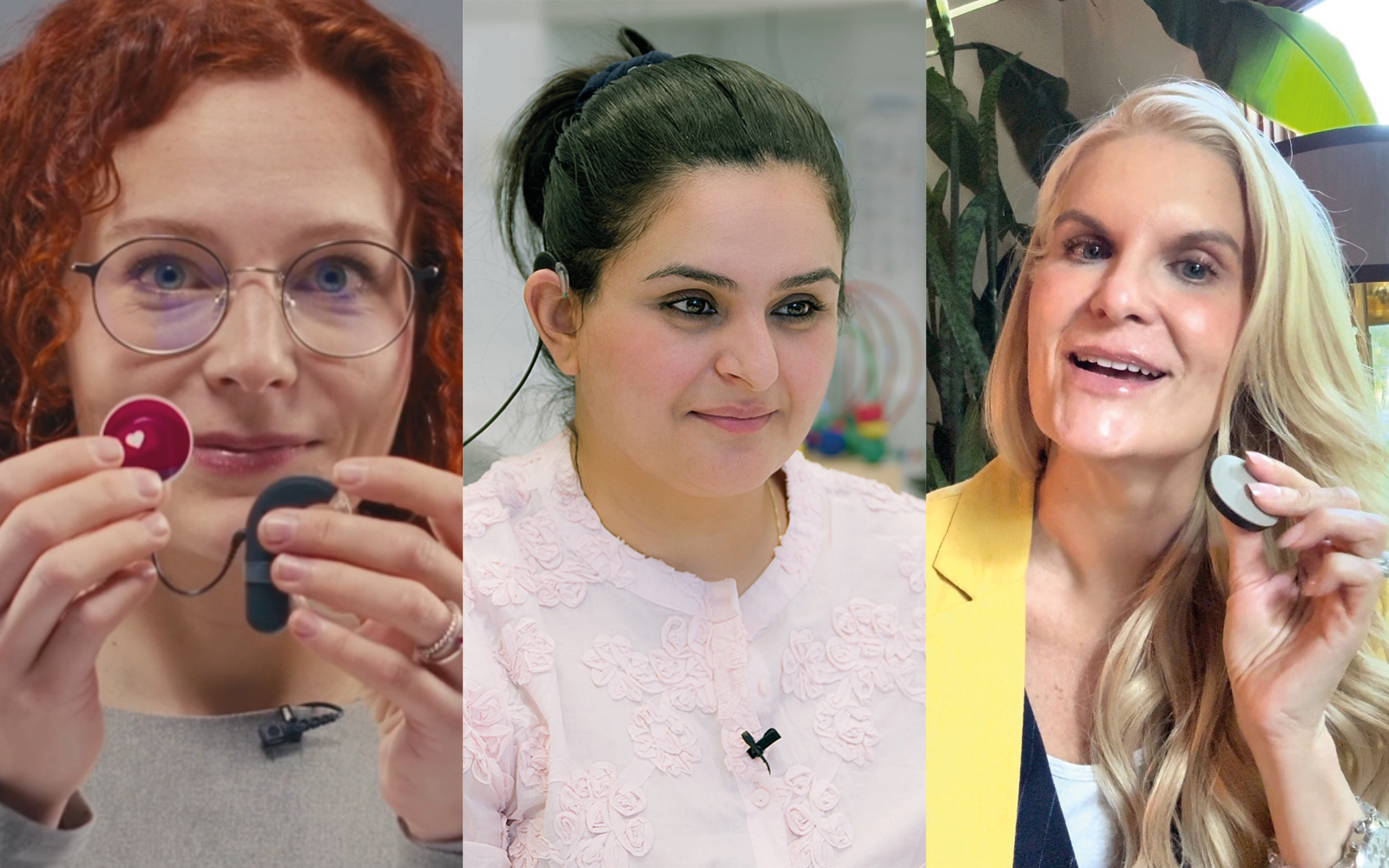
Mariia, Nandini, and Tracie with their audio processors
For many cochlear implant users, progress is measured in small but unforgettable moments: hearing a bird singing and recognizing it instantly, noticing the fizz of a drink, or realizing your own voice finally sounds like you again. Those are the kinds of moments cochlear implant users describe after switching to anatomy-based fitting (ABF)—a personalized fitting approach unique to MED-EL that uses imaging to match sound coding more closely to the actual positions of the electrode contacts inside the cochlea.
This user review is based on the hearing journeys of Mariia, a neuroscientist and bilateral cochlear implant user from Russia; Nandini, a bimodal user from the UK with lifelong progressive hearing loss; and Tracie, a CI user from the US with single-sided deafness whose hearing changed suddenly. Different lives, different ears, different expectations—yet all three describe anatomy-based fitting in strikingly similar ways: more natural, more comfortable, and something that makes life easier.
What’s Anatomy-Based Fitting?
And that’s exactly what ABF is designed to do. In natural hearing, pitch is organized by place along the cochlea. ABF uses post-op imaging and OTOPLAN to help audiologists align frequency information more precisely to where the electrode contacts actually sit. In short, it’s a more precise, personalized fitting designed to support a more natural hearing experience.

Anatomy-based fitting using OTOPLAN software
Why Personalization Matters in Hearing
What stands out in our users’ reviews is that none of the users talks about ABF in purely technical terms—they all talk about relief, ease, and familiarity.
Mariia, who had a conventional fitting on one side for years before switching to ABF, said the biggest change was comfort. Her own voice, which had sounded slightly off for years, suddenly sounded natural again. Music felt fuller, too. For her, ABF did not create a dramatic miracle; it removed the last layer of strangeness in her hearing and replaced it with ease.

“Imagine a well-fitted, hand-crafted suit made just for you… This is what ABF did for me.”
Mariia
CI user with anatomy-based fitting
Nandini noticed the difference almost immediately. The sound felt less tinny, less robotic, smoother, and easier on the brain. For her, ABF didn’t just change the sound—it changed how listening felt in her whole body. She described it as a kind of relief, as though her system was finally able to relax.
Tracie’s experience adds another perspective. After months on a default map, ABF initially reset some of her listening progress and demanded fresh effort. But she stayed with it because she could sense the potential. Over time, the result was better at “twinning” with her natural hearing ear, which improved comfort and enabled her to experience sound quality she rated as very natural.
“Wow” Moments With ABF
The strongest stories are often also the most ordinary. For Mariia, the “wow” moment was hearing herself and thinking: That’s me. You hear your own voice constantly, so even a small mismatch can feel intrusive. ABF removed that feeling for her. She also noticed that many environmental sounds on her newly implanted side sounded closer to natural sooner than they had with her earlier fitting.
For Nandini, one unforgettable moment came when she heard not just a can of soda being opened, but also the fizz the soda made—the tiny bubbles, the texture, the details she had forgotten were there. Overall, sound became less artificial, less robotic, and more natural for her.
Tracie’s “wow” moment happened in a loud, crowded setting. Instead of being overwhelmed by layered sound, she noticed her brain beginning to organize it. That turned complex listening from something exhausting into something purposeful: a chance to build new auditory skills and confidence.
How Users Rate ABF in Daily Life
Here’s a composite snapshot of our users’ experiences with anatomy-based fitting:
| Mariia | Nandini | Tracie | |
| Naturalness of sound |
★★★★★ |
★★★★☆ |
★★★★★ |
| Comfort |
★★★★★ |
★★★★★ |
★★★★☆ |
| Listening effort |
★★★★☆ |
★★★★★ |
★★★★☆ |
| Speech in groups and noise |
★★★★☆ |
★★★★☆ |
★★★★☆ |
| Music enjoyment |
★★★★★ |
★★★☆☆ |
★★★★☆ |
| Localization and balance |
★★★★★ |
★★★☆☆ |
★★★☆☆ |
Does Adaptation Still Matter? Absolutely.
ABF is personalized, but its full benefit is not instant for everyone. MED-EL’s ABF is a fine-tuned, individualized fitting after surgery, and our users’ experiences confirm that the fitting is only part of the story; the brain still needs time to learn.
Mariia adjusted within days. Nandini felt she reached her best level over several months. Tracie described the shift as a temporary reset that required active listening practice, patience, and commitment. Across all three experiences, the advice is consistent:
Keep going, listen to real-world sounds, and be active about doing rehab exercises. We recommend music you know by heart, podcasts, language apps, and everyday listening challenges.
Why Users Recommend Anatomy-Based Fitting
According to our users, ABF is worth trying because it can help users achieve something they care about deeply: not just access to sound, but a better relationship with sound. Less strain. Better comfort. More realistic pitch. A voice that feels like their own. More confidence in calls, meetings, and social settings. More music appreciation.
Their experiences highlight three key advantages:
- More natural sound perception
- Reduced listening effort and greater comfort
- Better alignment with individual anatomy
For users who are willing to invest time in the adjustment process, ABF offers a more personalized and rewarding hearing experience.
Hearing That Fits You
At its core, anatomy-based fitting is about one idea: hearing should fit the individual. By taking into account the unique anatomy of each cochlea, anatomy-based fitting brings hearing with a cochlear implant closer to natural hearing—not just in performance, but also in feeling.
For Mariia, Nandini, and Tracie, that shift made a real difference. It changed how they hear, how they communicate, and how they experience the world around them.
Because sometimes, the biggest change is not just hearing more—it’s hearing in a way that finally feels right.
Would you like to learn more about our users’ experiences with ABF?
Check out Nandini’s testimonial here:
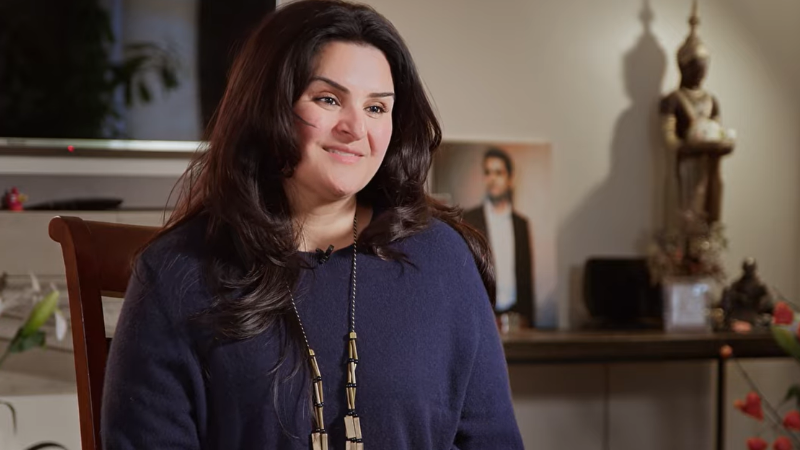
Learn About ABF
Would you like to learn more about anatomy-based fitting? Get in touch with your MED-EL specialist.
Contact UsReferences
MED-EL



Was this article helpful?
Thanks for your feedback.
Sign up for newsletter below for more.
Thanks for your feedback.
Please leave your message below.
Thanks for your message. We will reply as soon as possible.
Send us a message
Field is required
John Doe
Field is required
name@mail.com
Field is required
What do you think?
© MED-EL Medical Electronics. All rights reserved. The content on this website is for general informational purposes only and should not be taken as medical advice. Contact your doctor or hearing specialist to learn what type of hearing solution suits your specific needs. Not all products, features, or indications are approved in all countries.
Robert heddle
May 27, 2026
I’m seeing my audiologist on 29/06 and will ask her about this advance
MED-EL
MED-EL
Conversation
1 Comment