


And you can't even see it.
Discover TICI 
MED-EL
Published Jun 09, 2026
Every child deserves the chance to connect with the world around them: to hear laughter in the classroom, music wherever they are, and the voices of the people they love. For children with hearing loss, technology like cochlear implants can help make those moments possible. But hearing technology is about more than hearing itself. It’s about confidence, independence, inclusion, and the freedom to dream big.
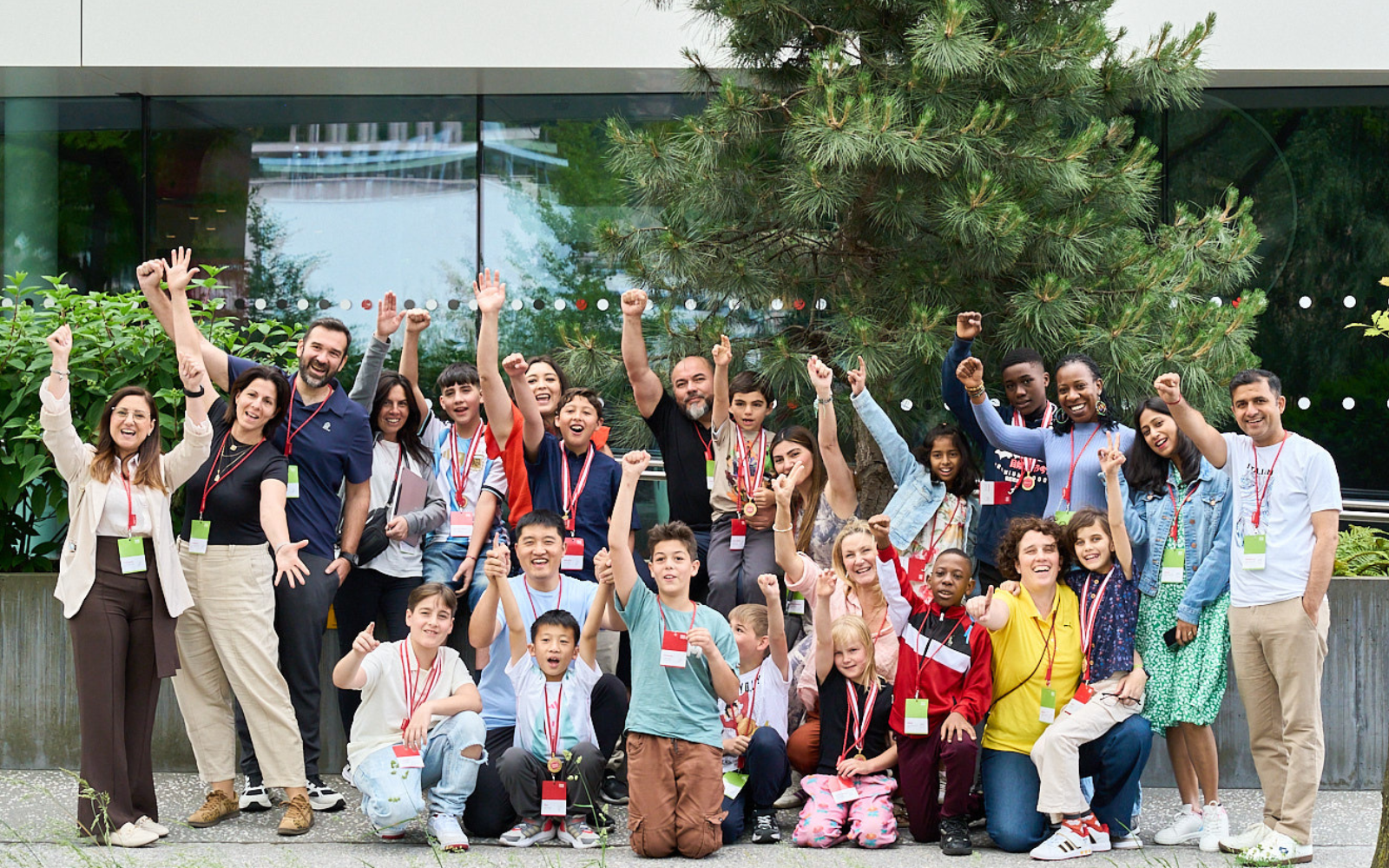
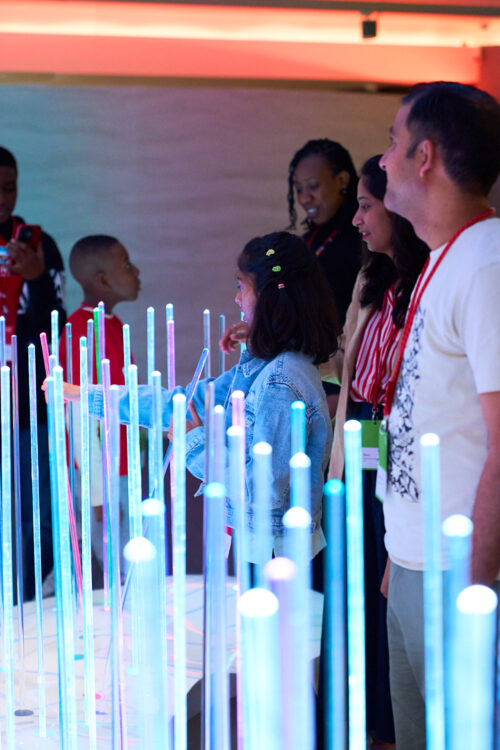
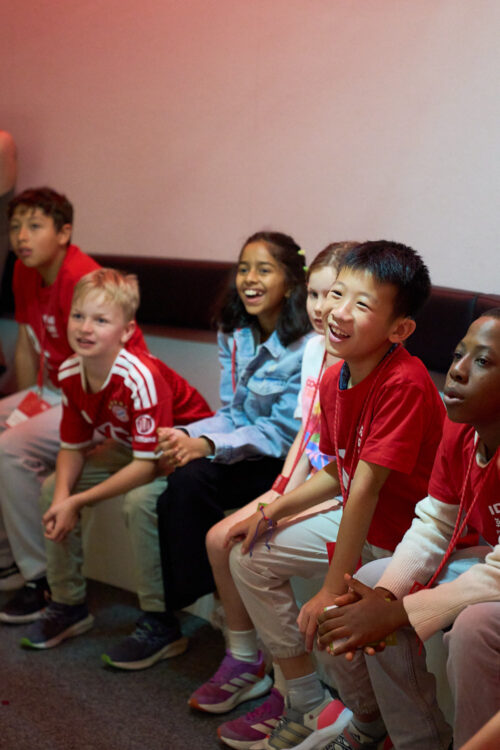
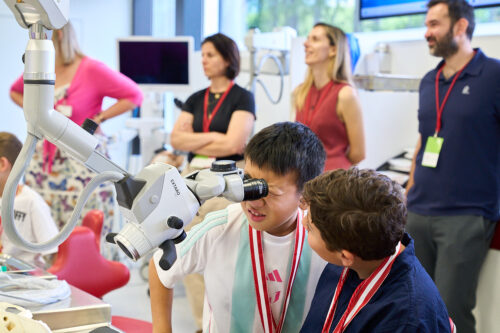
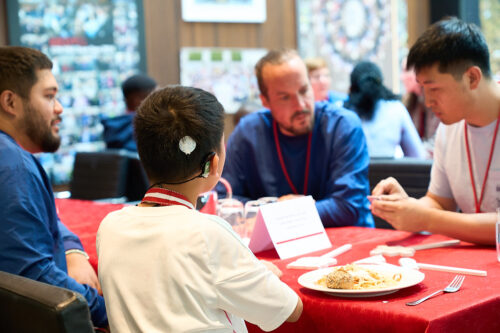
Once a year, young innovators from around the world travel to MED-EL headquarters for the IDEASforEARS event, where they present inventions inspired by their own experiences with hearing implants. Their ideas are creative, thoughtful, deeply personal, and show how children who grow up with hearing technology not only benefit from innovation but also shape the future of hearing technology.
The children who attend IDEASforEARS are active thinkers imagining what comes next.
11-year-old Christos from Greece received his first cochlear implant when he was 15 months old and his second at age two and a half. For him, hearing means “communication with friends and contact with nature.”

Inspired by his own daily experiences, Christos imagines an AI-powered cochlear implant that can automatically adapt to different listening situations. His invention would allow users to control volume with voice commands, reduce loud background noise, and monitor battery life more easily. He especially wants better support in noisy classroom situations, where hearing the teacher clearly can make a big difference.
“I wanted loud noises not to bother me, and to be able to turn the volume down with just a command.”
Christos
CI user and inventor from Greece
For Georgie, an 11-year-old from Canada, innovation means creating more inclusive classrooms for everyone. Born with microtia and hearing loss, Georgie underwent years of appointments, therapy, and testing before receiving his hearing implant at age nine. He still vividly remembers the moment his device was activated: “Everything sounded clear. For the first time, I could truly understand sounds. That moment changed my life.”
Georgie’s invention, called All Hear Together, is an AI-based classroom app designed to support students with hearing loss, language barriers, ADHD, autism, and other learning needs. The software would provide live captions, real-time translations, visual diagrams, and direct audio streaming to hearing devices.

His motivation came directly from his own school experience in multicultural classrooms where many students are learning in a new language while also navigating different educational needs.
“I wanted to create something that helps everyone feel included and gives all students the same opportunity to understand and learn.”
Georgie
BONEBRIDGE user and inventor from Canada
Twelve-year-old Santino from Argentina also created an invention rooted in everyday life with hearing implants. As he got older, he began thinking about independence and the practical challenges many implant users face.
His idea? A vibrating bracelet alarm to help cochlear implant users wake up independently when they are not wearing their audio processors.

“When I was 8 years old, I used to think about how I would wake up by myself when I grew up.”
Santino
CI user and inventor from Argentina
These inventions reflect real experiences, real needs, and the creativity that emerges when children are empowered to think without limitations.
Behind every one of these stories are some common themes: the importance of early diagnosis, early support, and early access to sound.
Christos’s parents noticed he needed additional hearing support when he was just one year old. Implantation and therapy had positive effects on his speech, communication, and confidence. Today, they say:
“If someone does not notice that he wears a cochlear implant, they would not realize that this child was born deaf.”
Santino’s hearing journey also began early. Diagnosed as a baby, he started speech therapy at six months old and later received hearing aids before ultimately becoming a candidate for bilateral cochlear implants which he received when he was two. His mother recalls how important patience and continued therapy were after activation. “Santi not only started speaking but also learned how to listen,” she said, “and that was when we realized: Yes, this is really working!”
Georgie’s family faced a particularly long and emotional path. His parents even moved countries to ensure he had access to the support and opportunities he needed. Early therapies including music therapy, speech therapy, and a bone conduction device helped build the foundation that later supported his successful implantation journey.
For all three families, early support was about more than just hearing: It was about helping their children fully participate in life. It meant being able to communicate naturally with family and friends. It meant building confidence at school. It meant learning languages, playing games, joining conversations, and discovering passions. And it also meant giving their children the tools they needed to become independent thinkers and future innovators themselves.
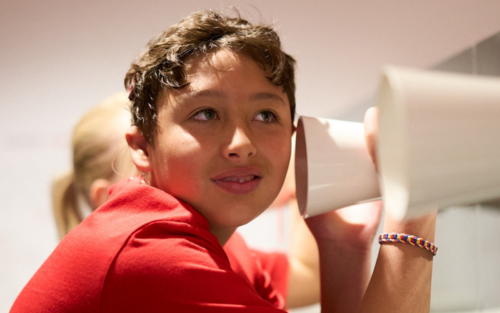


One of the most inspiring parts of these stories is the confidence these young MED-EL users have in their futures.
When asked whether he feels he can do anything he wants to, Georgie answered:
“Yes, I feel like the sky is the limit. Because of everything I’ve been through, I’ve learned that nothing comes easy, but if you keep trying and don’t give up, you can achieve your goals.”
Georgie
BONEBRIDGE user and inventor from Canada
For these families, cochlear implantation was the beginning of a journey full of possibilities for their children. As Santino’s mother said, “With his implant, he has the same opportunities as any other child.”
Georgie’s parents feel similarly. Since receiving his implant, they have watched him become more independent, more engaged at school, and more confident socially. “We’ve seen a big change,” they explained. “He understands much more, and that helps him feel more secure and independent.”
The IDEASforEARS event is a celebration of creativity, courage, and community. It proves that children with hearing loss are not defined by barriers. They can be innovators, dreamers, problem-solvers, and leaders.
Their inventions show how lived experience can inspire meaningful innovation. Their stories demonstrate the importance of early access to hearing technology and individualized support. And their confidence proves what is possible when children are empowered to grow without limitations.
At MED-EL, innovation has always been driven by people. Events like IDEASforEARS help ensure that the next generation of users also has a voice in shaping the future of hearing technology.
Stay tuned for the 10th edition of IDEASforEARS starting in November 2026!
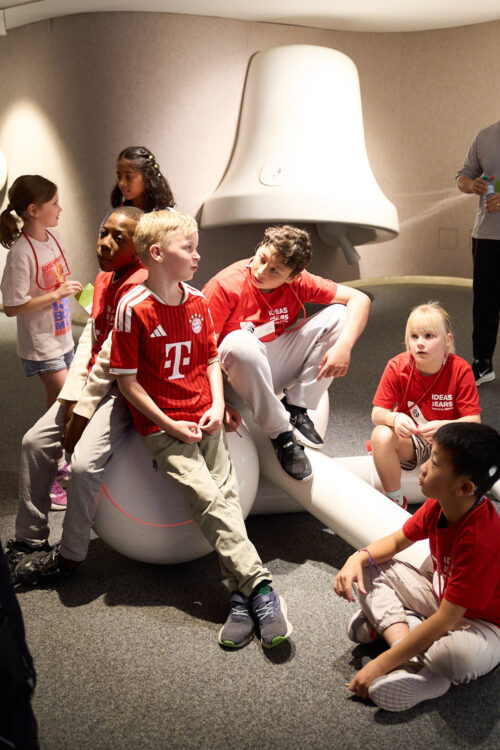
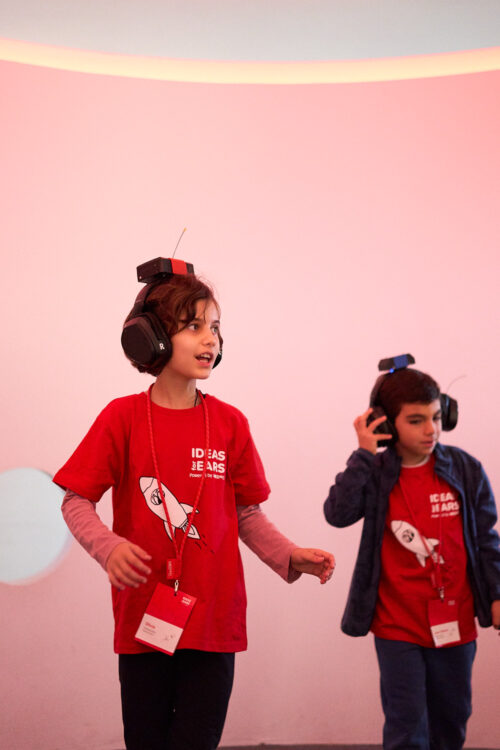
Want to learn more about how MED-EL's hearing solutions can help children with hearing loss?
Learn MoreReferences
MED-EL
Was this article helpful?
Thanks for your feedback.
Sign up for newsletter below for more.
Thanks for your feedback.
Please leave your message below.
Thanks for your message. We will reply as soon as possible.
Send us a message
Field is required
John Doe
Field is required
name@mail.com
Field is required
What do you think?
© MED-EL Medical Electronics. All rights reserved. The content on this website is for general informational purposes only and should not be taken as medical advice. Contact your doctor or hearing specialist to learn what type of hearing solution suits your specific needs. Not all products, features, or indications are approved in all countries.
Francisca Toledo
June 10, 2026
Yo vivo en Seattle Washington, tengo un implante coclear Med-El y no sé dónde comprar los accesorios, tengo miedo de perder el que tengo ya que trabajo con niños , por favor necesito ayuda urgente con direcciones de tiendas donde comprar ya que manejo muy pocas el internet o computadora. Atentamente señora francisca toledo .

MED-EL
June 11, 2026
Hola Francisca, gracias por tu comentario. Para cualquier compra de productos, incluidos los accesorios, puedes contactar directamente con tu equipo local de MED-EL en Estados Unidos; ellos te ayudarán con cualquier consulta. Puedes contactarlos a través de este formulario: https://www.medel.com/en-us/contact-med-el o llamando a customerservice.us@medel.com o al 866-716-0706. Saludos cordiales, Giulia
Elaine Brasberger
June 10, 2026
Awesome that these children are being proactive with their ideas for a better hearing future.
Yvonne Kehinde
June 15, 2026
This was one of the best experiences ever for my son. All the kids had wonderful ideas too.
Edison Garzón
June 29, 2026
Qué historia tan inspiradora. Felicitaciones a todo el equipo por este gran aporte, y un reconocimiento muy especial para Georgie, cuya visión y dedicación han sido fundamentales para convertir esta idea en una realidad que está cambiando vidas. Gracias por demostrar que la innovación, cuando nace del compromiso con las personas, puede transformar el futuro. ¡Mucho éxito y que sigan inspirando al mundo!
MED-EL
MED-EL
Want to make sure you get all the latest articles from the MED-EL Blog? Subscribe now!
Registration was successful
We’re the world’s leading hearing implant company, on a mission to help people with hearing loss experience the joy of sound.
Find your local MED-EL team
© MED-EL Medical Electronics. All rights reserved. The content on this website is for general informational purposes only and should not be taken as medical advice. Contact your doctor or hearing specialist to learn what type of hearing solution suits your specific needs. Not all products, features, or indications are approved in all countries.


Conversation
4 Comments