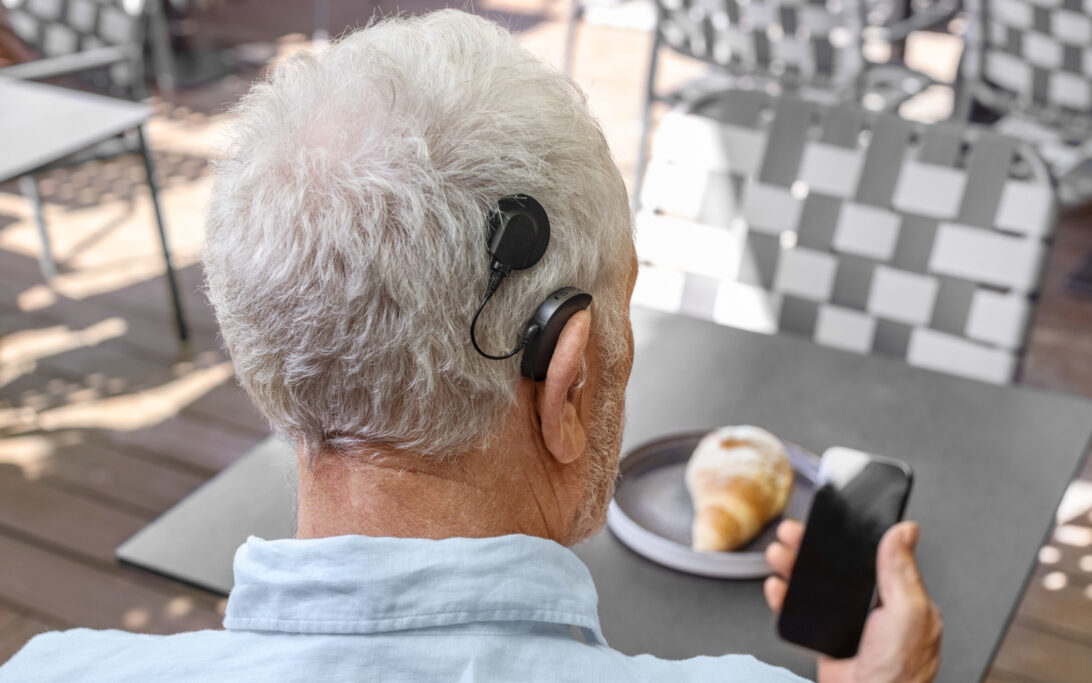
Unilateral hearing loss means reduced or absent hearing in one ear, while the other ear hears better or even normally. If the hearing loss is profound, it is also known as unilateral deafness, single-sided deafness (SSD), or one-sided deafness.
Many people notice changes in their hearing at some point in life. These changes can happen gradually or suddenly, at a young age or later in adulthood. Understanding hearing loss causes can help you make sense of what is happening and what steps you can take next.
Low-frequency hearing loss affects your ability to hear deep, bass sounds, like deep voices or the rumble of thunder. Though less common than high-frequency hearing loss, it can still impact speech understanding and overall quality of life. In this article, we’ll explore what it is, what causes it, and how it can be treated.
In recent years, wireless earbuds like Apple’s AirPods Pro have evolved far beyond just playing music. With features like adaptive transparency, they now offer support for people with mild-to-moderate hearing loss. But can AirPods replace hearing aids or hearing devices?
Do you have trouble hearing with background noise? Learn what causes it, how to recognize the signs, and what steps you can take to improve your hearing in noisy places.
If voices sound muffled or you can’t hear birds chirping or doorbells ringing, you might be experiencing high-frequency hearing loss. Learn what causes it, how to spot the signs, and what treatments can help you reconnect with the sounds you’ve been missing.