


MED-EL, Dr. Yi Ge
Published Mar 30, 2026
Sensorineural Hearing Loss: Symptoms, Causes, and Treatment
Sensorineural hearing loss (SNHL) is a type of hearing loss caused by damage to the cochlea or the auditory nerve. Historically, it was also called “nerve hearing loss” or even “nerve deafness,”. it affects how sound signals travel from your ear to your brain.
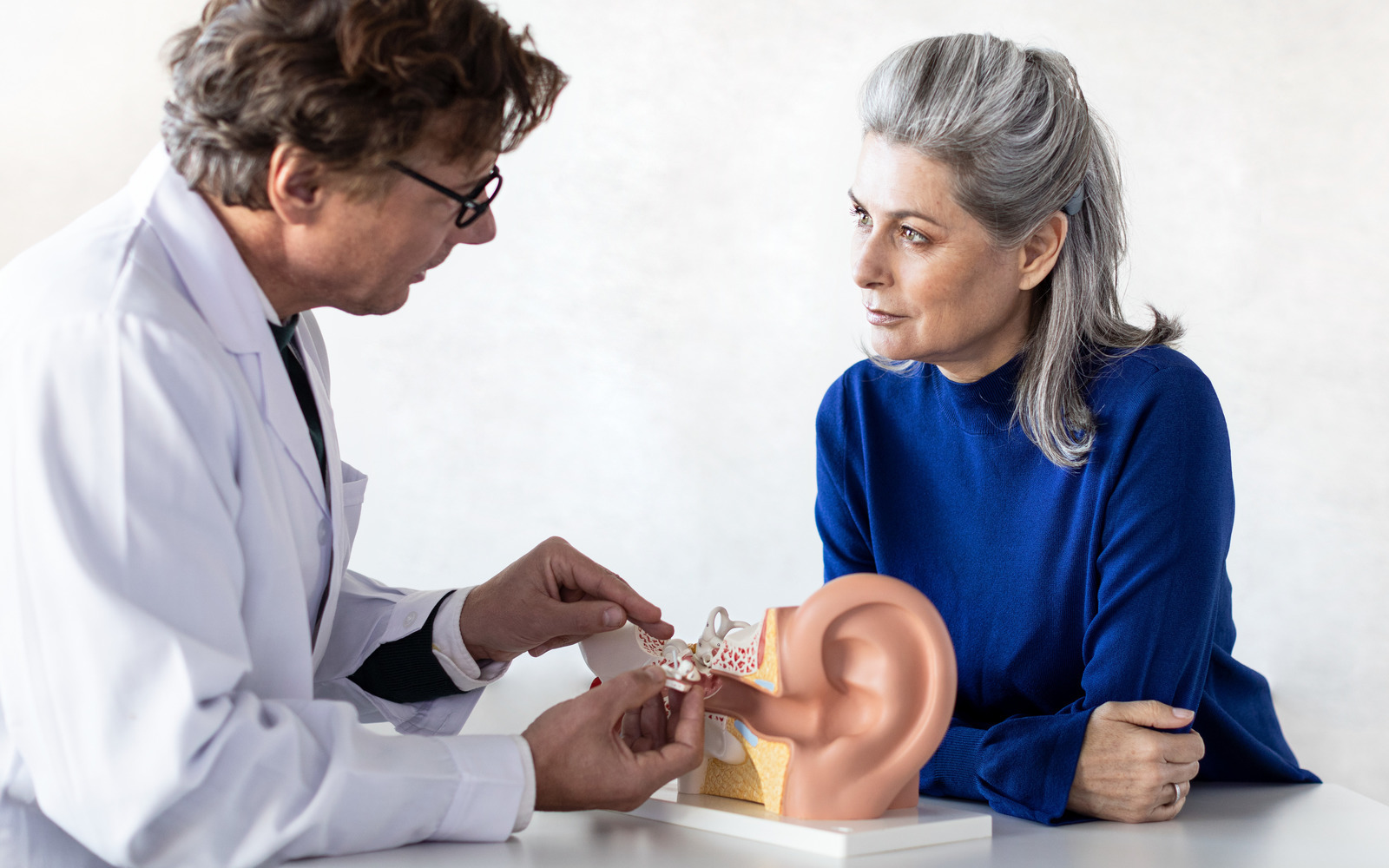
If you’ve recently found out you have sensorineural hearing loss or you suspect something isn’t right, you’re not alone. SNHL is the most common type of permanent hearing loss in adults, and it can also affect children. While it’s usually not reversible, it can often be managed very successfully with the right hearing technology and support.
In this guide, we’ll cover:
Sensorineural Hearing Loss: What You Need to Know
- Sensorineural hearing loss occurs when the inner ear or auditory nerve become damaged or stop functioning properly.
- A common symptom of sensorineural hearing loss is difficulty understanding speech in noise, common causes of which include aging, noise exposure, infections, certain medications, trauma or inner ear structural abnormalities, as well as genetic factors.
- Sudden sensorineural hearing loss is a medical emergency and requires urgent evaluation.
- Most SNHL is permanent, treatment options include hearing aids and cochlear implants.
- If you notice changes in your hearing, book a hearing test with an audiologist or ENT.
What Is Sensorineural Hearing Loss?
Sensorineural hearing loss is a type of hearing loss caused by problems at the inner ear (cochlea) or the auditory nerve, which disrupts how sound signals reach the brain.
Unlike conductive hearing loss which involves problems in the outer or middle ear, sensorineural hearing loss affects the delicate structures responsible for converting sound into nerve signals sent to the brain. In many cases, the tiny hair cells inside the cochlea are damaged and cannot regenerate.
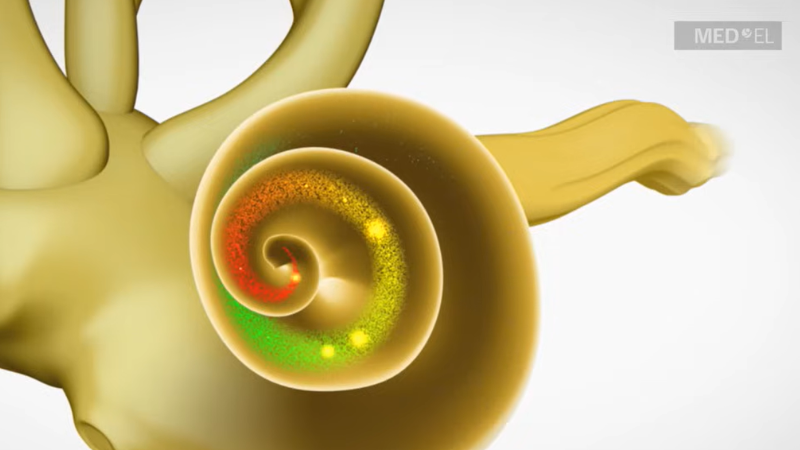
SNHL is the most common type of permanent hearing loss in adults, but it can also affect babies and children. SNHL can often be managed with modern hearing technology.
How Normal Hearing Works—and What Changes With SNHL
To understand sensorineural hearing loss, it helps to know how hearing works.
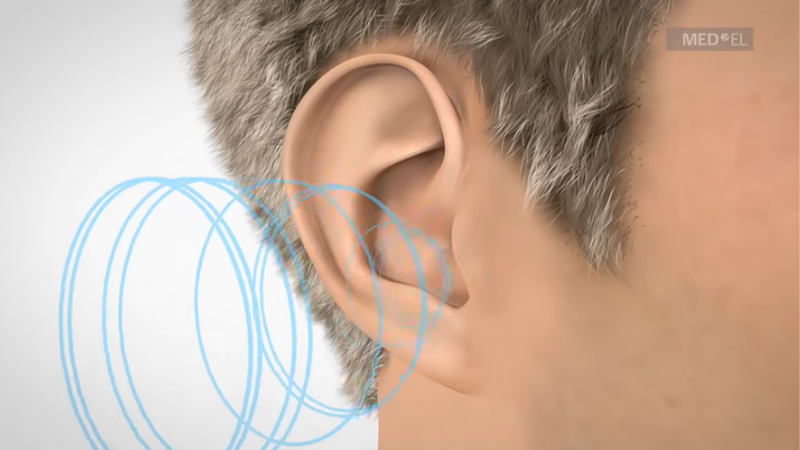
Sound travels through the outer ear and middle ear to the inner ear, where the cochlea is. Inside the cochlea are thousands of tiny hair cells. These hair cells convert sound vibrations into electrical signals, which travel along the auditory nerve to the brain.
When those hair cells or the auditory nerve are damaged, sound may still be loud enough, but speech can sound muffled or distorted. Understanding words, especially in background noise, becomes difficult.
A simple analogy: imagine a camera with a damaged sensor. The image is still there, but it’s blurry or distorted. In SNHL, your ears may hear sound, but the signal reaching the brain isn’t clear.
If you’d like a more detailed explanation, here’s more on how hearing works.
Types of Sensorineural Hearing Loss
Sensorineural hearing loss can look very different from person to person. Here are the main types:
| Unilateral SNHL | Bilateral SNHL |
| hearing loss in one ear | hearing loss in both ears |
| Symmetrical SNHL | Asymmetrical SNHL |
| similar hearing levels in both ears | hearing loss worse in one ear than the other |
| Congenital SNHL | Acquired SNHL |
| hearing loss present at birth | hearing loss that develops later in life |
| Progressive SNHL | Sudden SNHL |
| hearing loss that progresses gradually over time | hearing loss that develops within minutes to 72 hours |
| High-frequency SNHL | Low-frequency SNHL |
| difficulty hearing high-pitched sounds | difficulty hearing low-pitched sounds |
Bilateral Sensorineural Hearing Loss
Bilateral sensorineural hearing loss means hearing loss in both ears.
It may be symmetrical or asymmetrical. In daily life, bilateral SNHL symptoms often include:
- Difficulty following group conversations
- Trouble understanding speech in noisy places
- Problems locating where sounds are coming from
- Increased listening fatigue
Common causes of bilateral sensorineural hearing loss include:
- Aging
- Exposure to noise
- Genetic factors
- Ototoxic medications
- Certain illnesses
Bilateral SNHL is often treated with hearing aids. In more severe cases, especially severe-to-profound hearing loss, cochlear implants may be considered.
Sudden Sensorineural Hearing Loss (SSNHL)
Sudden sensorineural hearing loss is a rapid drop in hearing that develops within minutes to 72 hours.
Sudden sensorineural hearing loss symptoms may include:
- A sudden decrease in hearing in one ear
- An ear that feels “blocked” or full
- Ringing in the ear (tinnitus)
- Dizziness or vertigo
Sudden hearing loss is a medical emergency.
If you notice sudden sensorineural hearing loss symptoms, seek urgent care from an ENT or emergency provider. Early treatment, often with oral steroids prescribed by a doctor, may improve the chances of recovery.
Symptoms and Signs of Sensorineural Hearing Loss
The signs and symptoms of sensorineural hearing loss often begin subtly and worsen gradually.
Common sensorineural hearing loss symptoms in adults include:
- Difficulty understanding speech, especially with background noise
- Frequently asking people to repeat themselves
- Feeling like others are mumbling
- Turning up the TV or phone volume
- Trouble hearing high-pitched sounds
- Tinnitus (ringing or buzzing in the ears)
- Listening fatigue
In children, signs may include:
- Delayed speech and language development
- Trouble following directions
- Poor attention or seeming distracted
- Not responding to soft sounds
- Turning the TV volume up very loud
- Struggling in school
When to See a Doctor or Audiologist
You should book a hearing test if:
- Symptoms last more than a week
- Hearing seems to be gradually worsening
- Hearing difficulties affect daily life
Seek urgent care if you experience:
- Sudden hearing loss
- Hearing loss after a head injury
- Hearing loss with severe dizziness
- Facial weakness or other neurological symptoms
An audiologist or ENT can perform a full evaluation and guide you through the next steps. Early diagnosis can open up more treatment options, especially for children and for sudden SNHL.
Causes and Risk Factors of Sensorineural Hearing Loss
Sensorineural hearing loss is caused by damage to the inner ear or auditory nerve from factors such as aging, noise exposure, genetics, infections, medications, or injury.
Common sensorineural hearing loss causes include:
- Aging (presbycusis)
- noise exposure
- Genetic factors
- Infections or inner ear diseases
- Ototoxic medications (certain antibiotics or chemotherapy drugs)
- Head injury
- Tumors affecting the auditory nerve
Health conditions like diabetes or high blood pressure may also increase risk. In some cases, especially with sudden SNHL, the exact cause remains unknown. For more details, see this overview of hearing loss causes.
Does Loud Noise Cause Sensorineural Hearing Loss?
Yes, loud noise can damage inner ear hair cells and cause permanent sensorineural hearing loss.
Examples of loud noise that can cause permanent sensorineural hearing loss include:
- Concerts and clubs
- Loud headphones
- Power tools
- Industrial machinery
- Firearms
Temporary ringing or muffled hearing after loud noise exposure can be an early warning sign. Repeated exposure over time can lead to permanent noise-induced hearing loss.
How Sensorineural Hearing Loss Is Diagnosed
Sensorineural hearing loss is diagnosed with hearing tests and a medical ear exam performed by an audiologist/ENT.
Here’s what typically happens during an appointment with an audiologist/ENT:
- Discussion of symptoms and medical history
- Physical exam of the ear
- Hearing test in a sound booth
- Creation of an audiogram (a graph of your hearing levels)
- Speech understanding tests
In some cases, additional tests such as imaging or genetic testing may be recommended, especially in children with bilateral sensorineural hearing loss.
The good news: These tests are painless and designed to find the best way to support your hearing.
Treatment and Management of Sensorineural Hearing Loss
Sensorineural hearing loss is treated by improving access to sound and supporting communication rather than restoring damaged hair cells.
Treatment depends on the type and severity of SNHL:
- Sudden SNHL: urgent ENT visit and possible steroid treatment
- Other types of SNHL: hearing technology and rehabilitation
The right plan is individualized, based on your hearing test results, lifestyle, and communication needs.
Hearing Aids and Other Hearing Technology for SNHL
Modern hearing aids amplify and shape sound to improve access to speech and environmental sounds, but because the underlying damage to cochlea or auditory nerve remains, speech may still sound unclear, especially in noisy environments. They are often recommended for mild-to-moderate SNHL.
It’s normal to need an adaptation period as your brain adjusts to amplified sound. Proper fitting and follow-up are essential.
Sometimes, Assistive Listening Devices (ALDs) can be used to improve communication for people with hearing loss. These include:
- Remote microphones
- TV streamers
- Smartphone apps
- Captioning tools
If well-fitted hearing aids no longer provide enough benefit, your audiologist may discuss implantable options.
Sensorineural Hearing Loss and Cochlear Implants
Sensorineural hearing loss and cochlear implants are closely connected because cochlear implants are designed specifically for people whose inner ear hair cells are too damaged for hearing aids to help sufficiently.

Cochlear Implants
Discover More About Cochlear ImplantsA cochlear implant bypasses the damaged cochlea and directly stimulates the auditory nerve fibers with electrical signals.
Cochlear implants are typically considered when:
- Hearing loss is severe-to-profound, especially at high frequencies
- Hearing aids provide limited benefit or can’t be used
- Speech understanding remains poor despite proper hearing aid fitting
Depending on evaluation results, cochlear implants may be an option for both adults and children.
Rehabilitation and consistent listening practice are essential for success. If you wonder whether cochlear implants for sensorineural hearing loss could help you or your child, speak with your local MED-EL team.
Living With and Preventing Sensorineural Hearing Loss
Living with sensorineural hearing loss can be frustrating, but small changes can make a big difference.
Here are some practical tips on living with SNHL:
- Ask people to face you when speaking
- Choose quieter restaurants or meeting places
- Use captions for TV and video calls
- Tell friends and coworkers about your hearing needs
It’s also normal to experience emotional ups and downs. Seeking support from professionals or peer groups can improve your quality of life.
For SNHL prevention, check out these tips:
- Use ear protection in noisy environments
- Lower headphone volume
- Schedule regular hearing checks
- Discuss medication risks with your doctor
Summary and Next Steps
Sensorineural hearing loss is a common type of hearing loss caused by damage to the cochlea or the auditory nerve. Symptoms often include difficulty understanding speech, especially in noise, and may result from aging, loud noise, genetics, or illness.
Although most SNHL is permanent, effective treatment options, ranging from hearing aids to cochlear implants, can significantly improve communication and quality of life.
If you recognize signs of sensorineural hearing loss, book a hearing test with an audiologist or ENT. And remember, sudden hearing loss is an emergency and requires urgent medical attention.
Explore more about hearing loss solutions, sensorineural hearing loss, and cochlear implants to find the support that’s right for you.
Get in touch!
If you have questions about hearing loss causes or treatment options, your MED-EL team is here to help.
Contact UsReferences


MED-EL
Dr. Yi Ge
Dr. Yi Ge is a certified otolaryngologist. Since joining MED-EL in 2003, she has held various roles across clinical, regulatory, and medical affairs. Currently, Dr. Ge serves as the Senior Manager of Medical Affairs at MED-EL Innsbruck. Her work focuses on medical process assessment in support of product development and risk management. With deep knowledge of hearing implant systems and global regulatory requirements, Dr. Ge fosters patient-centered innovation in hearing healthcare.



Was this article helpful?
Thanks for your feedback.
Sign up for newsletter below for more.
Thanks for your feedback.
Please leave your message below.
Thanks for your message. We will reply as soon as possible.
Send us a message
Field is required
John Doe
Field is required
name@mail.com
Field is required
What do you think?
© MED-EL Medical Electronics. All rights reserved. The content on this website is for general informational purposes only and should not be taken as medical advice. Contact your doctor or hearing specialist to learn what type of hearing solution suits your specific needs. Not all products, features, or indications are approved in all countries.
MED-EL
Dr. Yi Ge
Dr. Yi Ge is a certified otolaryngologist. Since joining MED-EL in 2003, she has held various roles across clinical, regulatory, and medical affairs. Currently, Dr. Ge serves as the Senior Manager of Medical Affairs at MED-EL Innsbruck. Her work focuses on medical process assessment in support of product development and risk management. With deep knowledge of hearing implant systems and global regulatory requirements, Dr. Ge fosters patient-centered innovation in hearing healthcare.
MED-EL
Dr. Yi Ge
Dr. Yi Ge is a certified otolaryngologist. Since joining MED-EL in 2003, she has held various roles across clinical, regulatory, and medical affairs. Currently, Dr. Ge serves as the Senior Manager of Medical Affairs at MED-EL Innsbruck. Her work focuses on medical process assessment in support of product development and risk management. With deep knowledge of hearing implant systems and global regulatory requirements, Dr. Ge fosters patient-centered innovation in hearing healthcare.