


Dr. Yi Ge, MED-EL
Published May 04, 2026
Mixed Hearing Loss: Causes, Symptoms, and Treatment
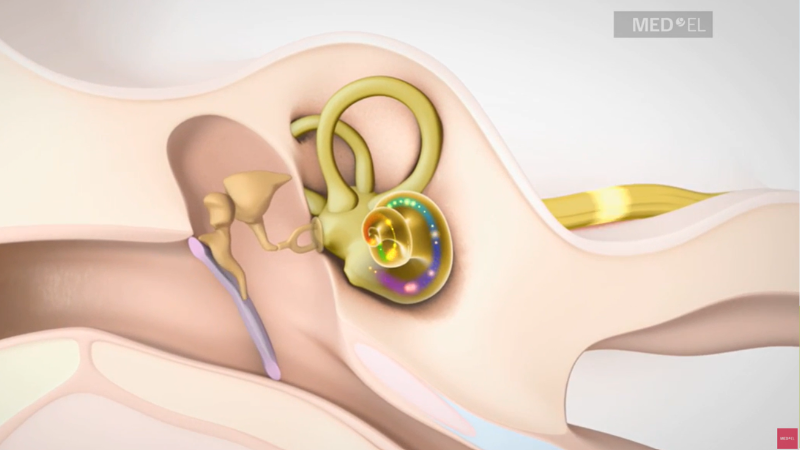
Mixed hearing loss is a combination of conductive hearing loss (outer or middle ear) and sensorineural hearing loss (inner ear or hearing nerve) in the same ear. This means sounds can seem both too quiet and unclear, even when loud enough.

In this article, you’ll learn about the symptoms, causes, diagnosis, and treatment options—including hearing aids and implants. If you or a loved one notice signs of hearing loss, read on to understand what’s happening and what you can do next.
Mixed Hearing Loss: What You Need to Know
- Mixed hearing loss occurs when both conductive hearing loss (outer or middle ear) and sensorineural hearing loss (inner ear or hearing nerve) affect the same ear.
- It can make sounds seem both quieter and harder to understand, especially in everyday conversations or noisy environments.
- Understanding the symptoms, causes, diagnosis, and treatment options can help you take the right steps toward better hearing and communication.
What Is Mixed Hearing Loss?
Mixed hearing loss is a combination of:
- Conductive hearing loss, caused by a problem in the outer or middle ear that prevents sound from traveling efficiently (transmission)
- Sensorineural hearing loss, caused by changes in the inner ear (cochlea) or the hearing nerve, affecting how sound is processed (transduction)
You might also hear phrases like mixed conductive and sensorineural hearing loss or mixed conductive sensorineural hearing loss. Some people say mixed deafness, but “mixed hearing loss” is the most commonly used term.
Usually, the sensorineural aspect of the hearing loss (inner ear or hearing nerve) is permanent, and the conductive aspect of the hearing loss (outer or middle ear) may be temporary or treatable, depending on the cause.
To better understand how mixed hearing loss differs from other types of hearing loss, here is a simple comparison:
| Type of Hearing Loss | Where the Problem Occurs | What Happens to Sound | Common Causes | Is It Treatable? |
| Conductive Hearing Loss | Outer or middle ear | Sound cannot travel efficiently to the inner ear | Ear infections, fluid in the middle ear, earwax buildup, eardrum damage | Often treatable with medication or surgery |
| Sensorineural Hearing Loss | Inner ear or hearing nerve | Sound reaches the inner ear but is not processed clearly | Age-related hearing loss, noise exposure, certain medications, genetic factors | Usually permanent, managed with hearing devices |
| Mixed Hearing Loss | Outer/middle ear and inner ear or hearing nerve | Sound is both reduced in volume and unclear or distorted | Combination of conductive and sensorineural causes | Conductive aspect may be treatable; inner ear aspect usually managed with hearing devices. However, hearing aids may have reduced benefits |
Signs and Symptoms of Mixed Hearing Loss
Symptoms can range from mild to severe, but mixed hearing loss often reduces perceived loudness and clarity of sounds.
Common symptoms include:
- Hearing improves with volume, but not fully – “it’s louder, but still not clear”
- Muffled and distorted hearing at the same time
Everyday impact and emotions can include:
- Missing parts of conversations at work, school, or in group settings
- Avoiding noisy places because listening is tiring or frustrating
- Feeling frustrated, embarrassed, or left out in conversations
- Withdrawing from social situations to avoid misunderstandings
These experiences are common—and they’re also good reasons to seek help. Hearing well is about staying connected, confident, and included.
Risk Factors and Causes of Mixed Hearing Loss
Mixed hearing loss involves a combination of issues, some affecting the outer or middle ear and others affecting the inner ear or hearing nerve. Often there isn’t one single cause; instead, several factors build up over time.
Common causes for mixed hearing loss include:
- Ear problems that block sound: ear infections such as chronic otitis media, fluid in the middle ear, a lot of earwax, a foreign object in the ear canal, or conditions affecting the middle ear bones such as otosclerosis
- Inner ear and nerve changes: age-related hearing loss and long-term exposure to loud sounds at work, concerts, or through headphones
- Health and medical factors: some systemic illnesses, certain medications that may affect the inner ear, head or ear injuries, and some heart or blood-vessel diseases that affect blood flow to the inner ear
- Family history: inherited or congenital factors that affect how the ears or inner ear develop or work
For many people, mixed hearing loss develops gradually. A full medical check-up helps identify which causes apply and which aspects might be treatable.
How Is Mixed Hearing Loss Diagnosed?
A full hearing test for mixed hearing loss usually involves an audiologist and often an ENT doctor working together.
During a comprehensive hearing evaluation, you’ll typically:
- Sit in a quiet room or sound booth
- Listen to beeps or tones through headphones and signal when you hear them
- Have your results recorded as the softest sounds you can hear at different pitches, measured in decibels (dB HL)
Those results are shown on an audiogram (a hearing chart). The audiogram helps show whether hearing loss is conductive, sensorineural, or mixed.
A key clue for mixed hearing loss is the air–bone gap:
- Air conduction tests indicate how you hear through headphones (sound traveling through the ear canal and middle ear)
- Bone conduction tests indicate how you hear through a small vibrating device placed on the bone behind the ear, which sends sound directly to the inner ear, bypassing the ear canal and middle ear.
When bone conduction results are better than air conduction results, that gap suggests there’s a conductive component.
Hearing loss is also described by severity—often as mild, moderate, severe, or profound—based on air conduction thresholds on the audiogram.
Only this kind of professional testing can confirm mixed hearing loss and guide treatment.
Treatment Options for Mixed Hearing Loss
In general, treatment options for mixed hearing loss involve addressing both the conductive part and the sensorineural part separately, based on its cause and severity.
To address the conductive component, doctors may recommend:
- Medication or other treatments for ear infections and fluid in the middle ear and/or to improve Eustachian tube function
- Removing earwax or a foreign object that blocks the ear canal
- Surgically removing the lesions in the middle ear and repairing the eardrum or middle ear bones if they are damaged
An ENT doctor will recommend the right medical or surgical treatment for the conductive component of mixed hearing loss, if treatment is possible. In some cases, the conductive component cannot be corrected, amplification through hearing devices becomes the primary treatment strategy.
The hearing care focuses then on improving communication and quality of life—especially for the sensorineural part of the hearing loss.
Hearing Aids
Hearing aids amplify sound and are often a first option for many people with mixed hearing loss with dry ear. However, their benefits are limited when the conductive component is large or not correctable, when ear anatomy has been altered by previous surgery, or when high-frequency bone conduction thresholds are too poor.
Bone Conduction and Middle Ear Implants
When traditional hearing aids aren’t enough or when conditions in the ear canal or middle ear make it difficult to use hearing aids, implantable options may be considered.
- Bone conduction solutions send sound through bone vibrations to help sound reach the inner ear directly bypassing the lesions in the outer ear or middle ear.
- Middle ear implants can help deliver sound by vibrating the middle ear structures (depending on the situation)
These options may be relevant for certain forms of mixed conductive and sensorineural hearing loss.
Suitability for these devices is evaluated by a hearing implant team based on hearing tests and medical assessment.


Cochlear Implants
If the sensorineural component is severe and hearing aids aren’t providing enough benefit, a cochlear implant may be an option. A cochlear implant bypasses damaged parts of the inner ear and stimulates the hearing nerve directly. Candidacy depends on the severity of the sensorineural hearing loss and functional benefit from hearing aids.

Cochlear Implants
Discover Cochlear Implants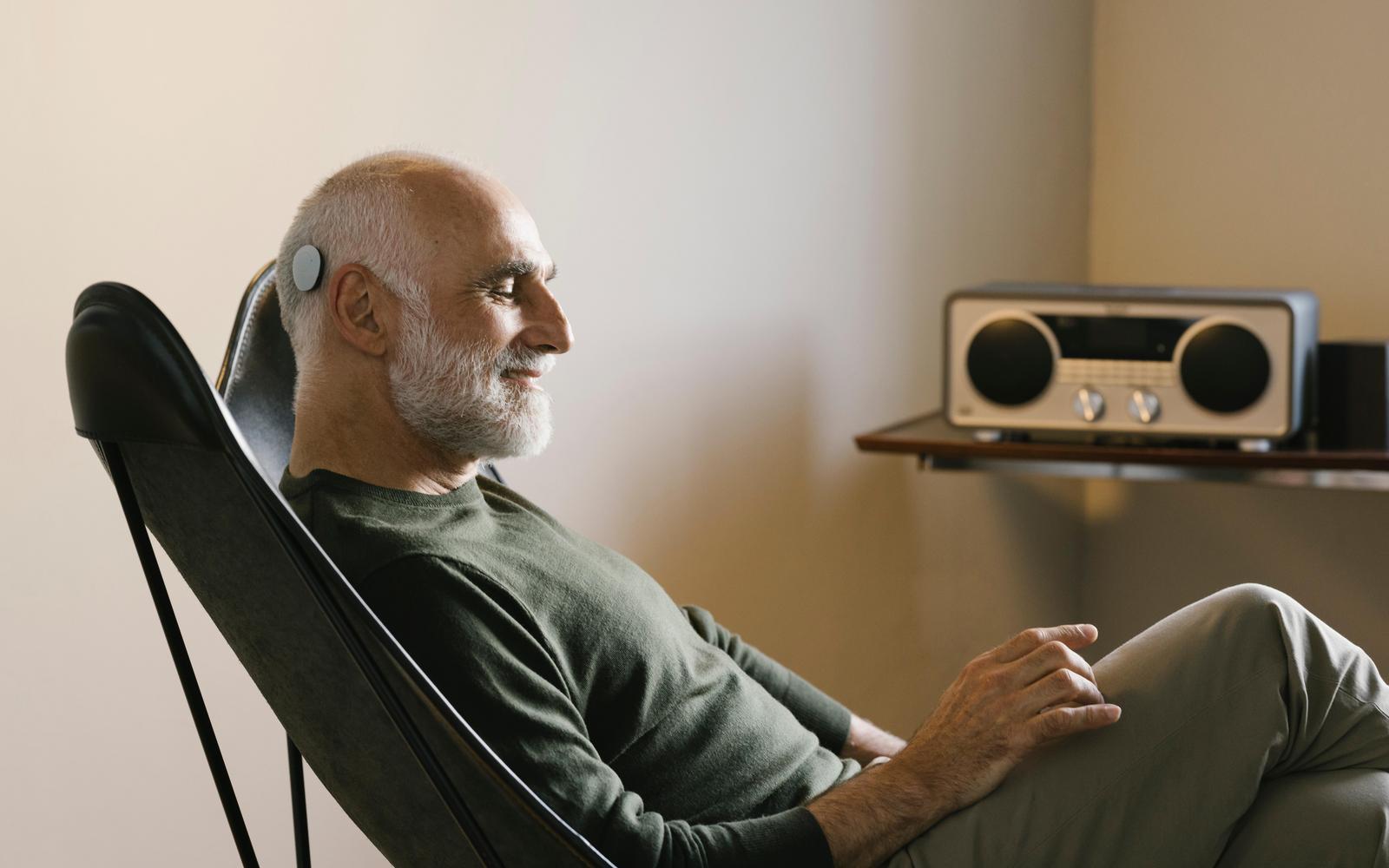

Is Mixed Hearing Loss Permanent?
The sensorineural component (inner ear or hearing nerve) is usually permanent and may worsen with age or disease over time.
The conductive component (outer or middle ear) may be reversable with medical or surgical treatment, depending on the causes.
Yes, mixed hearing loss can worsen over time if the inner ear component progresses.
Yes, conductive issues like fluid in the middle ear or infections can fluctuate, which means hearing may seem better on some days than others.
Even when mixed hearing loss is partly permanent, modern hearing technology and medical care can often improve communication and quality of life.
Living With Mixed Hearing Loss: The Next Steps
Mixed hearing loss can be challenging, but with the right support, you can stay active, connected, and confident.
If you notice these signs of mixed hearing loss, book an appointment with an audiologist or ENT doctor:
- Ongoing trouble following conversations
- Often turning up the TV or phone volume
- Persistent ear problems
- Sudden changes in hearing
Before your appointment, it can help to:
- Note your main symptoms and when they started
- Make a list of medications and health conditions
- Write down questions about your diagnosis, causes, and treatment options (including whether hearing aids or implants might help)
- Bring a family member or friend for support and to help hear and remember information
Ongoing support matters too: Use rehabilitation tips from trusted sources, go to follow-up appointments, and explore real-life stories from people living with hearing loss and hearing implants.
Key takeaway: Booking a hearing test is a simple first step toward clearer communication and better quality of life.
Ready to Take the Next Step?
If you have questions about the causes of hearing loss or treatment options, the MED-EL team is here to help.
Get In TouchReferences


Dr. Yi Ge
Dr. Yi Ge is a certified otolaryngologist. Since joining MED-EL in 2003, she has held various roles across clinical, regulatory, and medical affairs. Currently, Dr. Ge serves as the Senior Manager of Medical Affairs at MED-EL Innsbruck. Her work focuses on medical process assessment in support of product development and risk management. With deep knowledge of hearing implant systems and global regulatory requirements, Dr. Ge fosters patient-centered innovation in hearing healthcare.
MED-EL



Was this article helpful?
Thanks for your feedback.
Sign up for newsletter below for more.
Thanks for your feedback.
Please leave your message below.
Thanks for your message. We will reply as soon as possible.
Send us a message
Field is required
John Doe
Field is required
name@mail.com
Field is required
What do you think?
© MED-EL Medical Electronics. All rights reserved. The content on this website is for general informational purposes only and should not be taken as medical advice. Contact your doctor or hearing specialist to learn what type of hearing solution suits your specific needs. Not all products, features, or indications are approved in all countries.
JP Carsten
September 30, 2026
You left out what the effect on a Cochlear implant can have on balance.
Dr. Yi Ge
Dr. Yi Ge is a certified otolaryngologist. Since joining MED-EL in 2003, she has held various roles across clinical, regulatory, and medical affairs. Currently, Dr. Ge serves as the Senior Manager of Medical Affairs at MED-EL Innsbruck. Her work focuses on medical process assessment in support of product development and risk management. With deep knowledge of hearing implant systems and global regulatory requirements, Dr. Ge fosters patient-centered innovation in hearing healthcare.
MED-EL
Dr. Yi Ge
Dr. Yi Ge is a certified otolaryngologist. Since joining MED-EL in 2003, she has held various roles across clinical, regulatory, and medical affairs. Currently, Dr. Ge serves as the Senior Manager of Medical Affairs at MED-EL Innsbruck. Her work focuses on medical process assessment in support of product development and risk management. With deep knowledge of hearing implant systems and global regulatory requirements, Dr. Ge fosters patient-centered innovation in hearing healthcare.
MED-EL
Conversation
1 Comment