
Unilateral hearing loss means reduced or absent hearing in one ear, while the other ear hears better or even normally. If the hearing loss is profound, it is also known as unilateral deafness, single-sided deafness (SSD), or one-sided deafness.
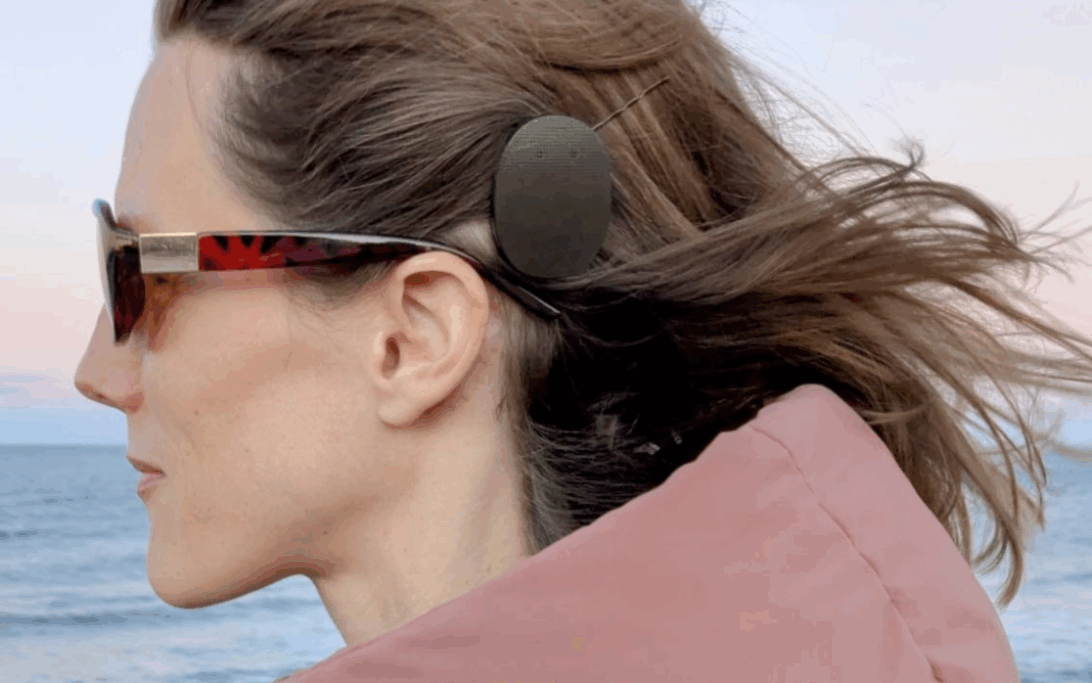
Hearing loss in one ear affects around five percent of adults in the United States. But what exactly is it, how is it caused, and how can it be treated? Let’s take a look at the most common causes behind unilateral hearing loss, how it’s diagnosed, and suitable treatment options. We’ll also look at practical tips for preventing hearing loss in one ear.
After eight years of living with single-sided deafness, Carly got a cochlear implant. Today, she is a hearing loss coach who helps others on their hearing journeys. Read all about her hearing story and find out how she discovered the right solution for her single-sided deafness.
There have been three generations of the MED-EL audio processors for bone conduction and middle ear implants: Amadé, SAMBA, and SAMBA 2. But what is the difference between them? We’ll take a closer look at that today—and even give you a chance to hear the difference. Find out in which situations the SAMBA 2 is technologically superior to the other processor models, how it suppresses noise, and what a classifier really does.
A comparison between cochlear implants and hearing aids comes down to one key difference: Conventional hearing aids (air conduction hearing aids) amplify sound, while cochlear implants bypass damaged parts of the inner ear and directly stimulate the auditory nerve fibers. This matters because it affects who each option may help, whether surgery is needed, and how users experience hearing over time. A cochlear implant is not a hearing aid—and the right choice depends on your hearing loss, speech understanding, and a professional evaluation.
Imagine waking up one day to find that the world around you has lost some of its melodic charm. This is what cochlear implant user Larissa from Austria experienced. In this article, she takes us through her inspiring hearing journey and how her cochlear implant and RONDO 3 audio processor helped her regain the joys of sound and overcome hearing loss.